June 11, 2026
Where Do Most Expats Live in Berlin?
Most expats in Berlin live in and around the central districts: Kreuzberg, Friedrichshain, Mitte, Prenzlauer Berg and Neukölln. According to the Statistics Office Berlin-Brandenburg, Mitte (37.4%) and Friedrichshain-Kreuzberg (30.5%) had the highest shares of residents with foreign citizenship in 2023, against 24.4% citywide. This guide shows what each area costs, which neighborhoods inside it to look at, and where to join waiting lists with Waitly.
Introduction
Finding a place to live in Berlin can be a daunting task, especially for expats. With its rich history, vibrant culture, and diverse neighborhoods, Berlin is a magnet for people from all over the world. But where do most expats choose to settle? In this guide, we explore the top neighborhoods for expats in Berlin, helping you find the perfect spot to call home. If you've only just arrived, our step-by-step guide to renting in Berlin as an expat covers the Anmeldung, SCHUFA, documents and your first temporary flat.
The rents below are median asking rents (net cold, per m²) for newly listed flats in 2025, from the IBB housing market report tables. The citywide median was €15.78.
Why Do Expats Choose Kreuzberg?
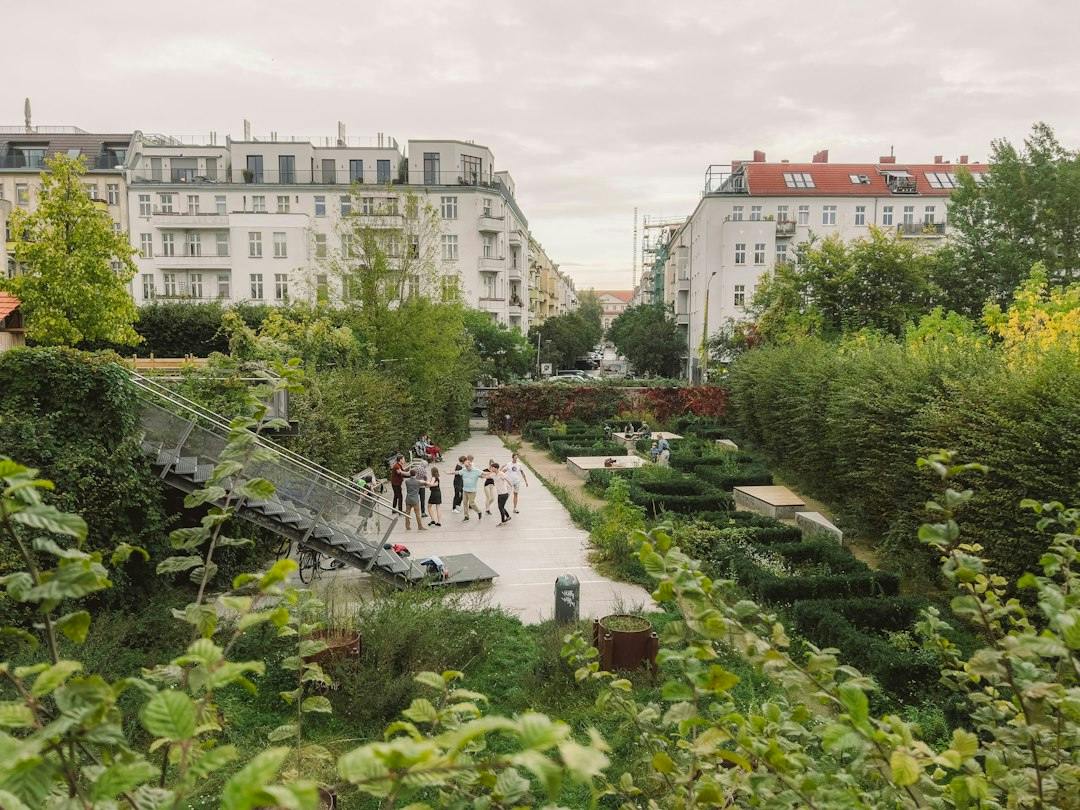
Kreuzberg is known for its street art, canal-side cafés and a creative, international crowd, with restaurants offering both local and international food. Moreover, Kreuzberg's central location provides easy access to other parts of the city, making it convenient for commuting and exploring.
Rent: Friedrichshain-Kreuzberg had a median asking rent of €19.40 per m² in 2025, the second highest of Berlin's 12 districts, so it is no longer a budget choice.
Where to look: the Graefekiez along the Landwehrkanal, and the Bergmannkiez around Marheinekeplatz, which is a little quieter. Waiting lists in Friedrichshain-Kreuzberg
Why Do Expats Choose Friedrichshain?
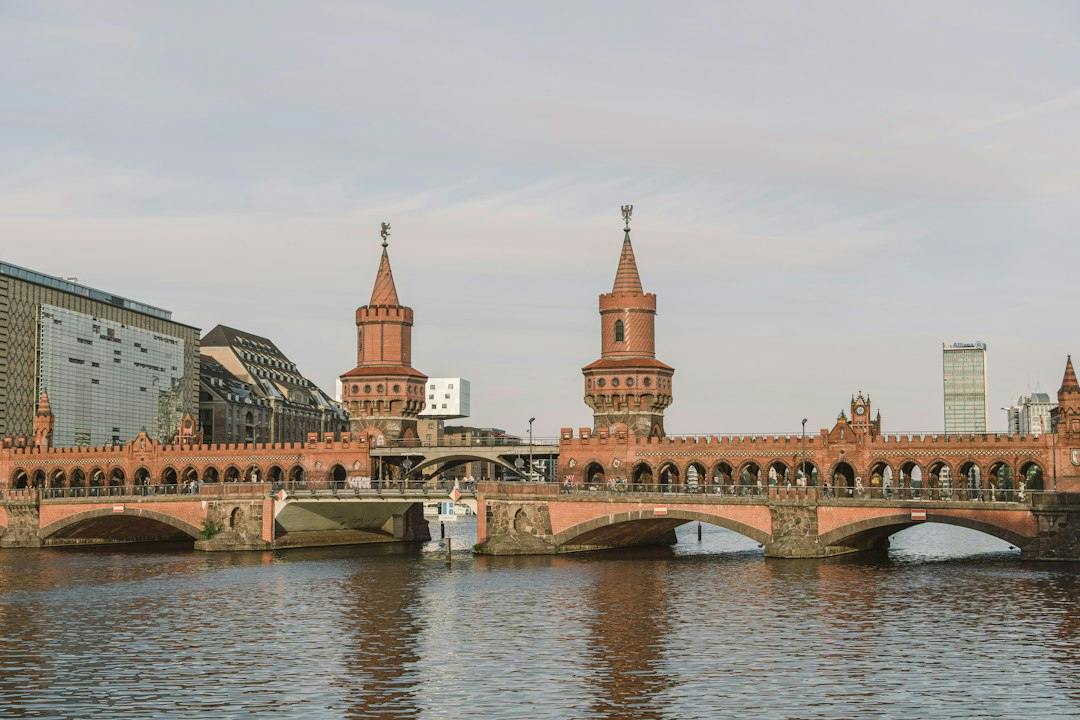
Friedrichshain sits across the Spree from Kreuzberg, linked by the Oberbaumbrücke, and is the district's nightlife half: clubs, bars and the RAW grounds near Warschauer Straße. It's popular with students and young professionals who like to go out.
Rent: Friedrichshain is in the same district as Kreuzberg, so the same median of €19.40 per m² applies.
Where to look: the streets around Boxhagener Platz, with its weekend market, and the quieter Samariterkiez further north. Flats here are on the same Friedrichshain-Kreuzberg waiting lists linked above.
What Makes Mitte Attractive for Expats?
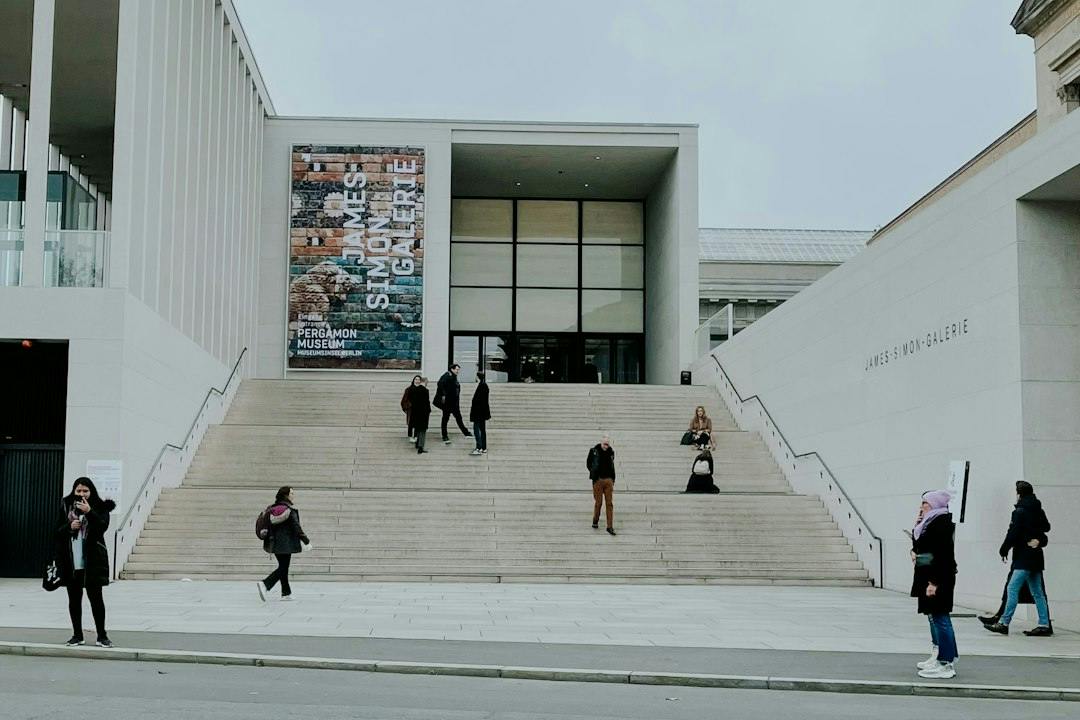
Mitte is Berlin's historic centre, close to landmarks like the Brandenburg Gate and Museum Island, with housing that ranges from modern apartments to historic buildings. Mitte's central location means you're never far from work or leisure activities, and the dense public transport network makes commuting easy.
Rent: Mitte had Berlin's highest median asking rent in 2025, at €20.00 per m².
Where to look: the Spandauer Vorstadt around Rosenthaler Platz and Hackescher Markt for the classic central feel. Wedding and Moabit also belong to the Mitte district and are less central, which is worth knowing when a listing says "Mitte". Waiting lists in Mitte
Is Prenzlauer Berg a Good Choice for Expats?
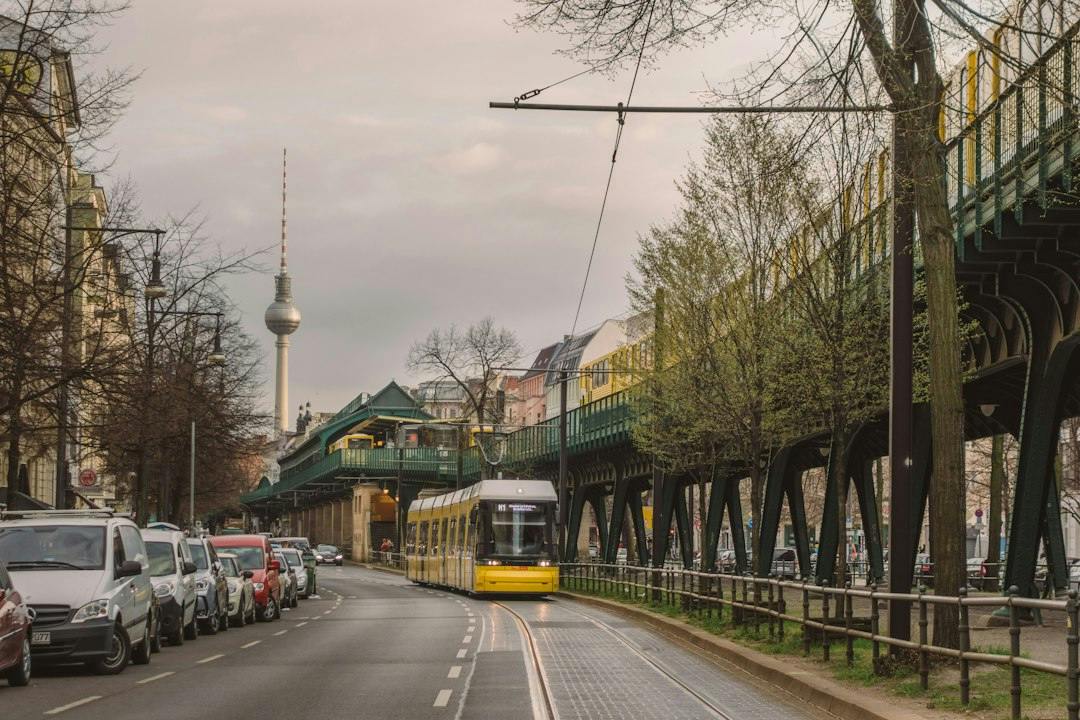
Prenzlauer Berg is known for its renovated old buildings, cafés and playgrounds, and draws many expat families and young professionals who want a calmer, greener feel close to the centre. It is part of the Pankow district.
Rent: Pankow, the district Prenzlauer Berg belongs to, had a median asking rent of €17.00 per m² in 2025.
Where to look: the Kollwitzkiez around Kollwitzplatz, the Helmholtzkiez, and the streets near Mauerpark. Waiting lists in Pankow
Is Neukölln a Good Choice for Expats?
Neukölln has changed a lot in recent years and has become a hotspot for young professionals and creatives. Traditional markets sit next to trendy cafés, giving it a mix of old and new Berlin. For expats, Neukölln offers a welcoming atmosphere and a sense of community.
Rent: Neukölln had a median asking rent of €13.61 per m² in 2025, below the citywide median, which makes it the most affordable of the popular expat districts.
Where to look: the Reuterkiez near the Landwehrkanal, the Schillerkiez next to Tempelhofer Feld, and the bars along Weserstraße. Waiting lists in Neukölln
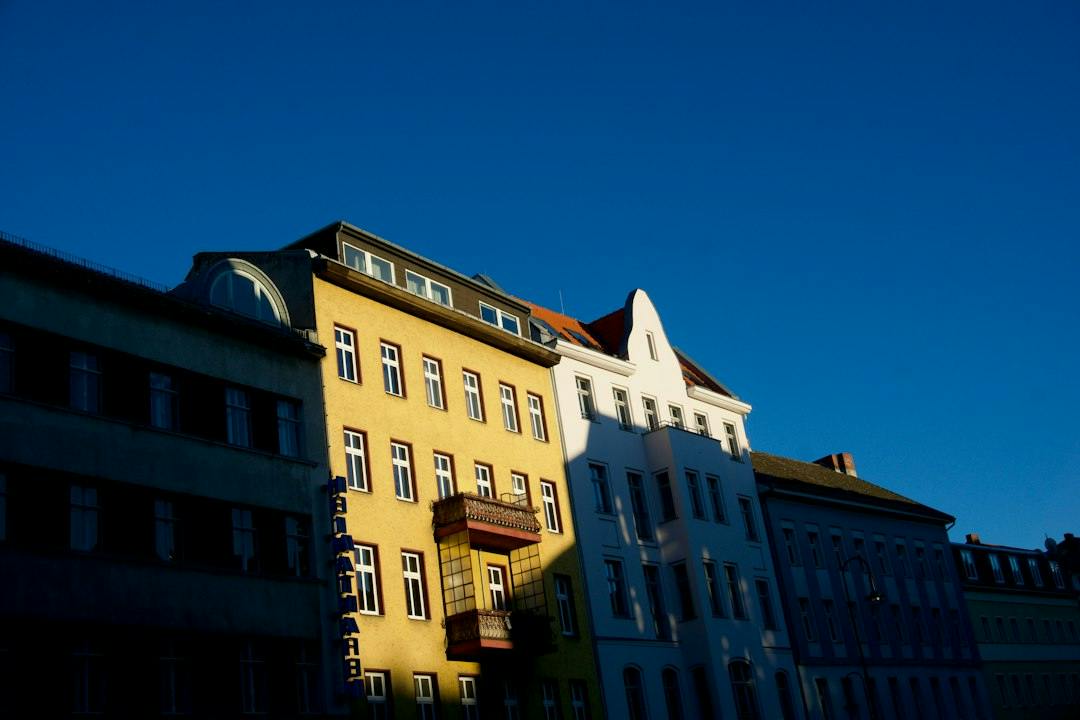
Where Do Wealthy People Live in Berlin?
Wealthy individuals in Berlin often reside in affluent areas like Charlottenburg and Grunewald, known for their upscale amenities and serene environments.
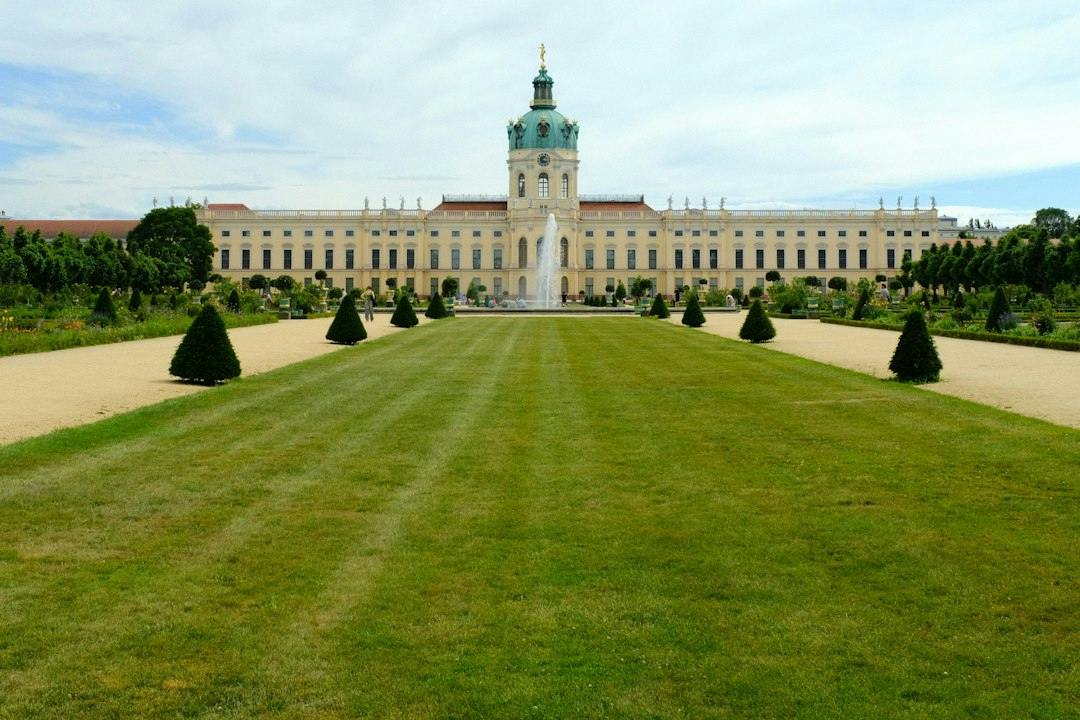
Charlottenburg is renowned for its elegant streets and luxury shopping. It's an area that offers refined living with its high-end boutiques and gourmet restaurants. Grunewald, on the other hand, provides a peaceful retreat with its beautiful parks and spacious villas. Both belong to the Charlottenburg-Wilmersdorf district, where the median asking rent was €19.17 per m² in 2025.
Which Areas in Berlin Should Be Avoided?
Berlin is generally safe, and no whole district needs avoiding. The police classify seven small spots as crime hotspots: Alexanderplatz, Kottbusser Tor, Görlitzer Park/Wrangelkiez, Warschauer Brücke, Rigaer Straße, Hermannplatz/Donaukiez and Hermannstraße/Bahnhof Neukölln (Berlin police).
These are squares, stations and a few streets, not neighborhoods. You can check any specific area in the official Berlin Crime Atlas, and it's always worth visiting at different times of the day to get a true sense of the environment. Our guide to Berlin's best and worst neighborhoods explains what these spots mean for your search.
Conclusion
Choosing the right neighborhood in Berlin is crucial for a smooth expat experience. Whether you're drawn to Kreuzberg's creative energy, Friedrichshain's nightlife, Mitte's central location, Prenzlauer Berg's calm or Neukölln's lower rents, Berlin has options for every taste and budget. Pick two or three areas, then create a free Waitly profile and join the waiting lists there. You'll get an email when there's a new offer. Some lists charge a fee set by the landlord; you'll see it before you sign up.
For a deeper comparison of districts for international newcomers, see our guide to the best Berlin neighborhoods for expats.
Frequently Asked Questions
Where do most foreigners live in Berlin?
Mitte and Friedrichshain-Kreuzberg have the highest shares of residents with foreign citizenship, 37.4% and 30.5% in 2023. Neukölln and Prenzlauer Berg are also popular with expats.
What is the best area to live in Berlin for nightlife?
Kreuzberg and Friedrichshain are known for their vibrant nightlife scenes. These areas have numerous bars, clubs, and live music venues, attracting both locals and expats looking for entertainment.
Is it expensive to live in Berlin?
It's no longer cheap. According to the IBB, asking rents in 2024 were around 85% higher than in 2015, and the median asking rent in 2025 was €15.78 per m², €20.00 in Mitte. Budget for both Kaltmiete (cold rent) and Nebenkosten (additional costs) when planning your move.
How do I find an apartment in Berlin?
Finding an apartment in Berlin can be competitive. Joining waiting lists on Waitly in the districts you want, and having your documents ready before viewings, makes it easier to act quickly when a flat comes up.
What should I consider when choosing a neighborhood in Berlin?
Consider factors like proximity to work, public transport options, neighborhood safety, and lifestyle preferences when choosing a Berlin neighborhood. Each area offers a unique atmosphere and amenities.