June 11, 2026
Best and Worst Neighborhoods in Berlin: A Guide for Apartment Hunters
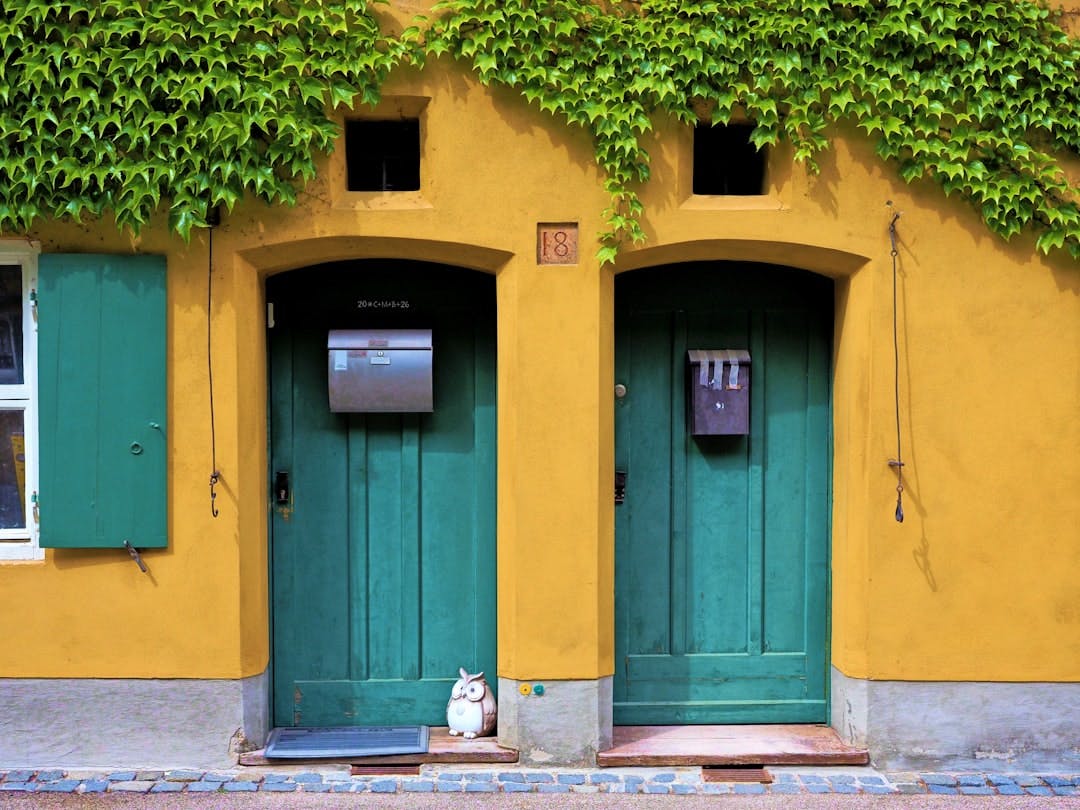
Photo: Sotirios T. K via Unsplash.
Berlin has no single "bad" district. The police classify seven small crime hotspots, all in Mitte, Friedrichshain-Kreuzberg and Neukölln, while median asking rents run from €11.56 per m² in Marzahn-Hellersdorf to €20.00 per m² in Mitte. This guide compares all 12 districts on rent and on who they suit, names the specific squares and streets to know about, and links to Waitly's waiting lists in each district.
Choosing where to live in Berlin
Finding an apartment in Berlin means weighing three things: rent, commute and the kind of street life you want outside your door. The best neighborhood for a student who wants bars on the corner is not the best one for a family looking for a quiet courtyard and a daycare nearby. So instead of one ranking, this guide shows what each district costs and who it suits, then looks at the few places the police single out. Once you know where you want to live, you can search Waitly for waiting lists in that area.
Berlin's 12 districts compared: rent and who they suit
The rents below are median asking rents (net cold, per m²) for newly listed flats in 2025, from the IBB housing market report tables. They show what you pay when you move in today, not what long-standing tenants pay. Our guide to rent prices by district explains the difference.
Mitte, €20.00/m²: central and busy, with government, museums and tourist crowds. Suits people who want to walk everywhere and don't mind noise. Waiting lists in Mitte
Friedrichshain-Kreuzberg, €19.40/m²: nightlife, canal-side bars and a creative scene. Suits students and young professionals who like to go out. Waiting lists in Friedrichshain-Kreuzberg
Charlottenburg-Wilmersdorf, €19.17/m²: grand old buildings, Kurfürstendamm shopping and theatres, calmer evenings. Suits professionals and couples. Waiting lists in Charlottenburg-Wilmersdorf
Pankow, €17.00/m²: includes Prenzlauer Berg, with renovated old buildings, cafés and playgrounds, and gets greener further north. Suits families and young professionals. Waiting lists in Pankow
Tempelhof-Schöneberg, €15.79/m²: lively Schöneberg streets and a well-known LGBTQ+ scene, quieter Tempelhof and the huge Tempelhofer Feld park. Suits people who want a mix of city life and space. Waiting lists in Tempelhof-Schöneberg
Treptow-Köpenick, €15.60/m²: Berlin's greenest district, with forests, the river Spree and Müggelsee lake. Suits nature lovers and families who accept a longer commute. Waiting lists in Treptow-Köpenick
Steglitz-Zehlendorf, €15.00/m²: leafy and quiet, with lakes like Wannsee and Schlachtensee. Suits families and anyone who wants calm and nature. Waiting lists in Steglitz-Zehlendorf
Neukölln, €13.61/m²: young, multicultural and changing fast in the north around Reuterkiez and Schillerkiez, suburban in the south. Suits students, creatives and young renters on a budget. Waiting lists in Neukölln
Lichtenberg, €13.33/m²: large housing estates alongside quiet residential streets, close to Friedrichshain. Suits renters who want east-side value near the centre. Waiting lists in Lichtenberg
Reinickendorf, €12.80/m²: residential and calm, with Lake Tegel in the north. Suits families and people who value space over nightlife. Waiting lists in Reinickendorf
Spandau, €12.50/m²: a town of its own in the far west, with an old town and a citadel. Suits budget-minded renters happy with a longer commute. Waiting lists in Spandau
Marzahn-Hellersdorf, €11.56/m²: the most affordable district, with large prefab estates, family homes and the Gardens of the World park. Suits renters who want the most space for their money. Waiting lists in Marzahn-Hellersdorf
Two things stand out. First, "good" and "expensive" don't line up neatly: Steglitz-Zehlendorf, one of the wealthiest districts, has lower asking rents than Pankow or Tempelhof-Schöneberg. Second, prices vary a lot within each district. In Mitte, 80% of listings fall between €9.83 and €28.69 per m², so the street matters as much as the district.
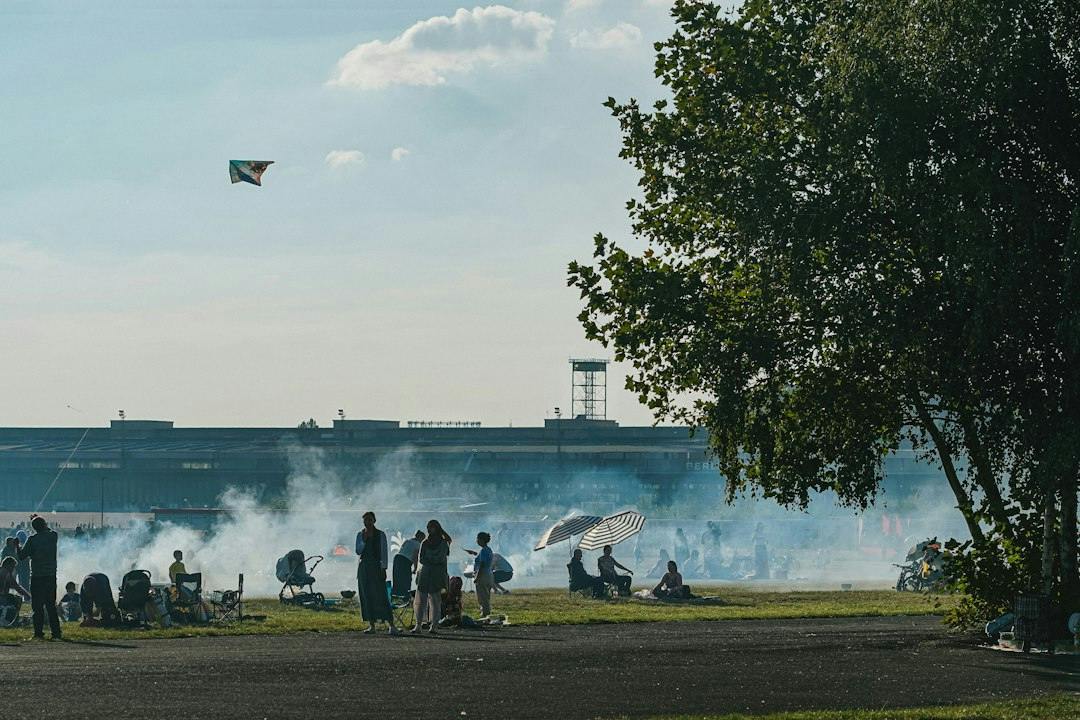
Photo: Victoria Prymak via Unsplash.
What are the good neighborhoods in Berlin?
Some of the best neighborhoods in Berlin include Prenzlauer Berg, Charlottenburg, and Zehlendorf. These areas are known for their safety, amenities, and quality of life. Prenzlauer Berg, for example, is popular with families and young professionals for its trendy cafes and parks.
Charlottenburg offers a blend of culture and comfort, with its famous shopping streets and theaters. According to Statistik Berlin-Brandenburg, Steglitz-Zehlendorf is among Berlin's districts with the highest concentration of income millionaires, known for its luxurious homes and beautiful nature. Exploring these areas can give you a sense of the lifestyle that awaits.
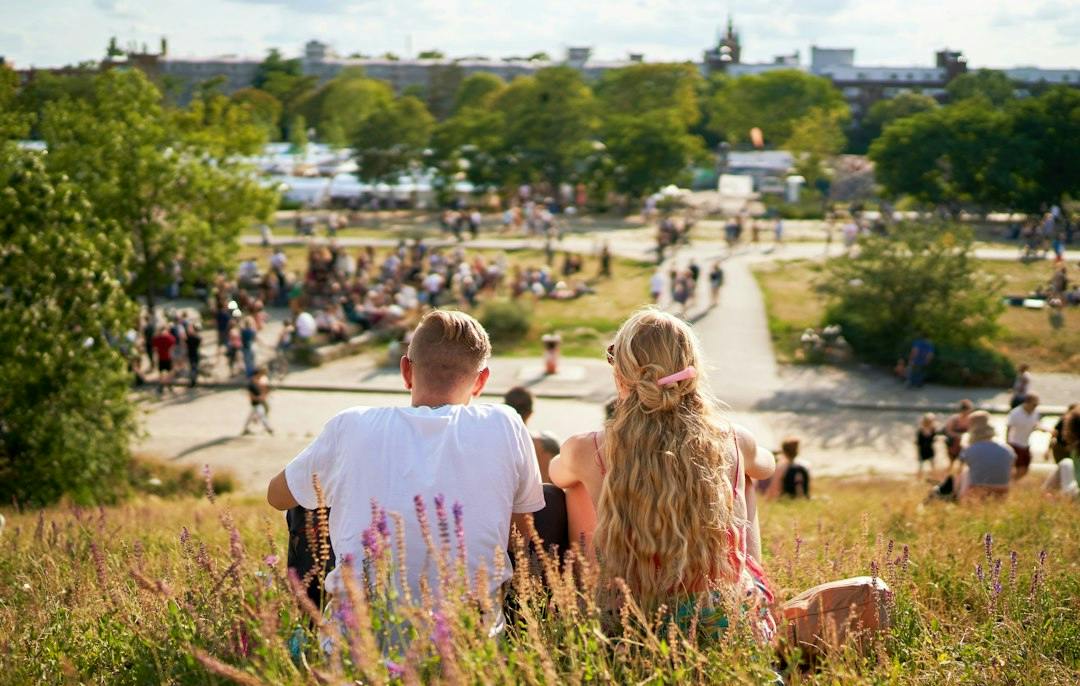
Photo: Norbert Braun via Unsplash.
Are there neighborhoods in Berlin to avoid?
Not whole districts. The Berlin police classify only a very small part of the city as a "kriminalitätsbelasteter Ort" (kbO), a crime hotspot where officers can check IDs without a specific suspicion. Since 1 July 2026 there are seven, all in Mitte, Friedrichshain-Kreuzberg and Neukölln, according to the Berlin police:
Alexanderplatz (Mitte): relatively many violent offences by groups
Kottbusser Tor (Kreuzberg): drug dealing and the violence that comes with it
Görlitzer Park/Wrangelkiez (Kreuzberg): drug dealing and the violence that comes with it
Warschauer Brücke (Friedrichshain)
Rigaer Straße (Friedrichshain)
Hermannplatz/Donaukiez (Neukölln)
Hermannstraße/Bahnhof Neukölln (Neukölln): also offences linked to organised crime
These are squares, stations and a few streets, not neighborhoods. A flat a few blocks from Kottbusser Tor can be on a quiet residential street, and the areas around these spots are among the most popular with young renters, because that is where much of Berlin's nightlife, food and culture is. Whether an area is right for you depends on how it feels to you. Walk past the building in the evening, and look up the exact area in the official Berlin Crime Atlas, which reports offences for 143 district regions. Our guide How Safe Is My Berlin Neighborhood? explains step by step how to read it.
What makes a Berlin neighborhood a "Brennpunkt" (hotspot)?
"Brennpunkt" is an everyday term, not an official category. Berliners use it for areas with visible social problems, such as open drug scenes or high unemployment. The closest official equivalent is the police list above. In the Crime Atlas, Mitte and Friedrichshain-Kreuzberg have the highest crime rates of Berlin's 12 districts. Because the rate counts offences per 100,000 residents, places with many visitors, such as Alexanderplatz or the clubs around Warschauer Brücke, push the figure up even where the side streets are calm.
If you want bars and late-night food on your doorstep, these areas are hard to beat. If you want quiet evenings and a school around the corner, look at the calmer side streets or at districts like Pankow or Steglitz-Zehlendorf. Our district guides for singles, couples and families go into more detail.
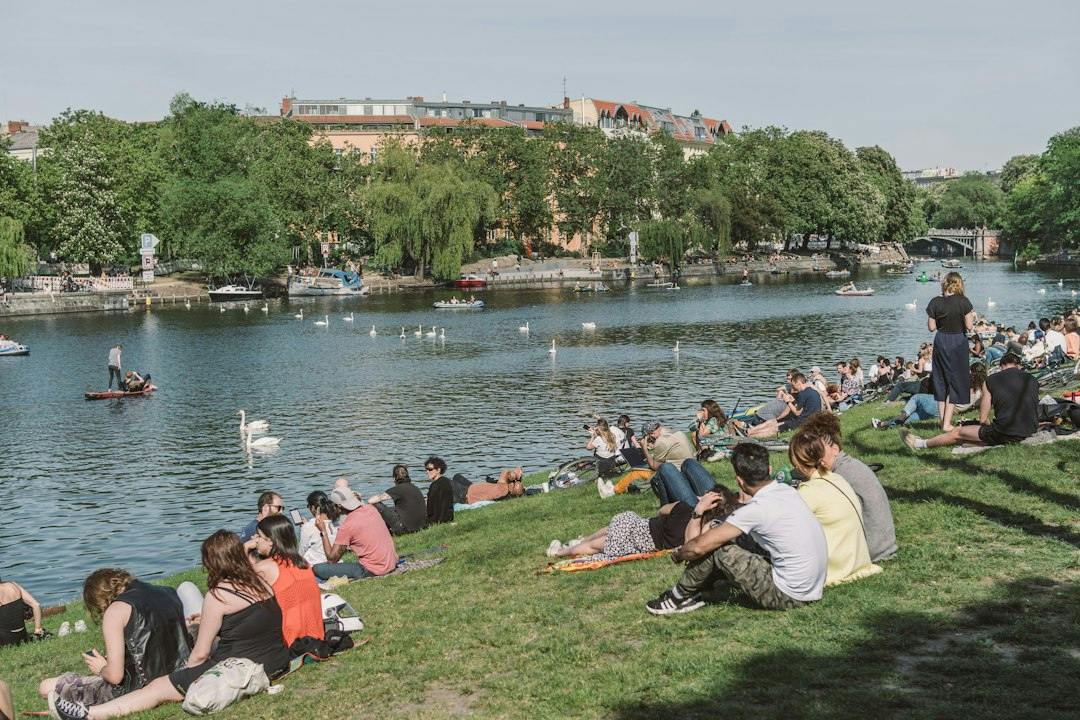
Photo: Fionn Große via Unsplash.
How does rent vary across Berlin's neighborhoods?
A lot. The citywide median asking rent in 2025 was €15.78 per m² net cold. For a 60 m² flat, that is about €947 a month before heating and service charges. In Mitte the same flat costs about €1,200 at the median; in Marzahn-Hellersdorf about €694. According to the IBB, asking rents are more than twice the local comparative rent that applies to existing tenancies, which is one reason long-time tenants rarely move and newcomers pay more.
Outer neighborhoods still offer more affordable options. For instance, our Buch-Karow guide highlights affordable areas for budget-conscious renters. For a monthly budget broken down by flat size, see our Berlin budget guide.
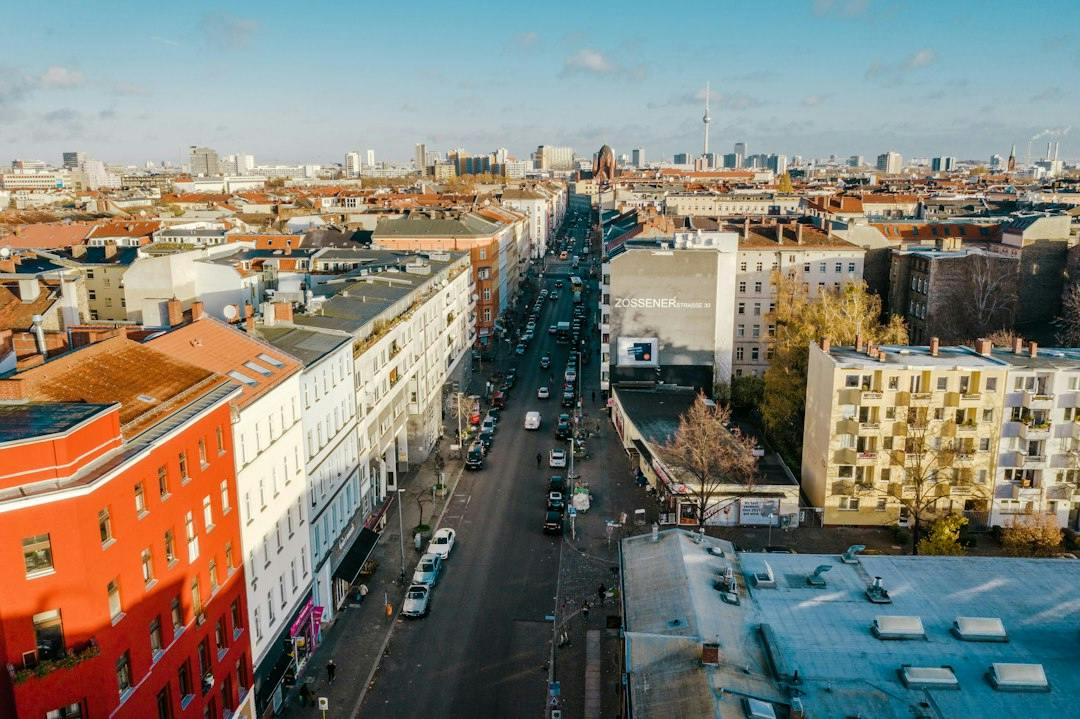
Photo: Mario Heller via Unsplash.
How can Waitly help in finding the right neighborhood?
Waitly brings waiting lists from many landlords and housing companies together in one place. Once you have picked two or three districts, you can sign up for the lists there, keep track of them in your profile, and Waitly emails you when there is a new offer or viewing, so you don't have to check every landlord's website every day. For more background on each area, our 2025 district guide goes through where to look for a flat.
Finding your neighborhood in Berlin
Start with your budget, then your commute, then the street life you want. Use the comparison above to pick two or three districts, check the exact area in the Crime Atlas, and visit in the evening. Then create a free Waitly profile and join the waiting lists in your chosen districts, for example Pankow or Charlottenburg-Wilmersdorf. You'll get an email as soon as there is a new offer. Some lists charge a fee set by the landlord; you'll see it before you sign up.
Frequently Asked Questions
Which neighborhoods in Berlin are not recommended?
No whole district. The police list seven small crime hotspots, such as Kottbusser Tor, Görlitzer Park and Alexanderplatz, all in Mitte, Friedrichshain-Kreuzberg and Neukölln. The streets around them are also among the most popular with young renters.
Which neighborhoods in Berlin are good to live in?
Prenzlauer Berg, Charlottenburg and Zehlendorf are popular for their safety, amenities and community feel. For quiet and nature, Treptow-Köpenick and Reinickendorf are good alternatives at lower rents.
Which Berlin neighborhoods are considered Brennpunkte?
"Brennpunkt" is not an official term. The official equivalent is the police list of crime hotspots: Alexanderplatz, Kottbusser Tor, Görlitzer Park/Wrangelkiez, Warschauer Brücke, Rigaer Straße, Hermannplatz/Donaukiez and Hermannstraße/Bahnhof Neukölln.
Which districts in Berlin should you avoid?
None needs avoiding as a whole. If you want quiet, look at Steglitz-Zehlendorf, northern Pankow, Reinickendorf or Treptow-Köpenick. If you want nightlife, look at Friedrichshain-Kreuzberg and northern Neukölln.
What is the cheapest district in Berlin?
Marzahn-Hellersdorf, with a median asking rent of €11.56 per m² in 2025, followed by Spandau at €12.50 and Reinickendorf at €12.80.
How can I choose the right Berlin neighborhood for me?
Start with your budget, since asking rents range from about €11.50 to €20 per m² depending on the district. Then consider your commute and the street life you want, check the exact area in the Crime Atlas, and visit in the evening before you sign up.