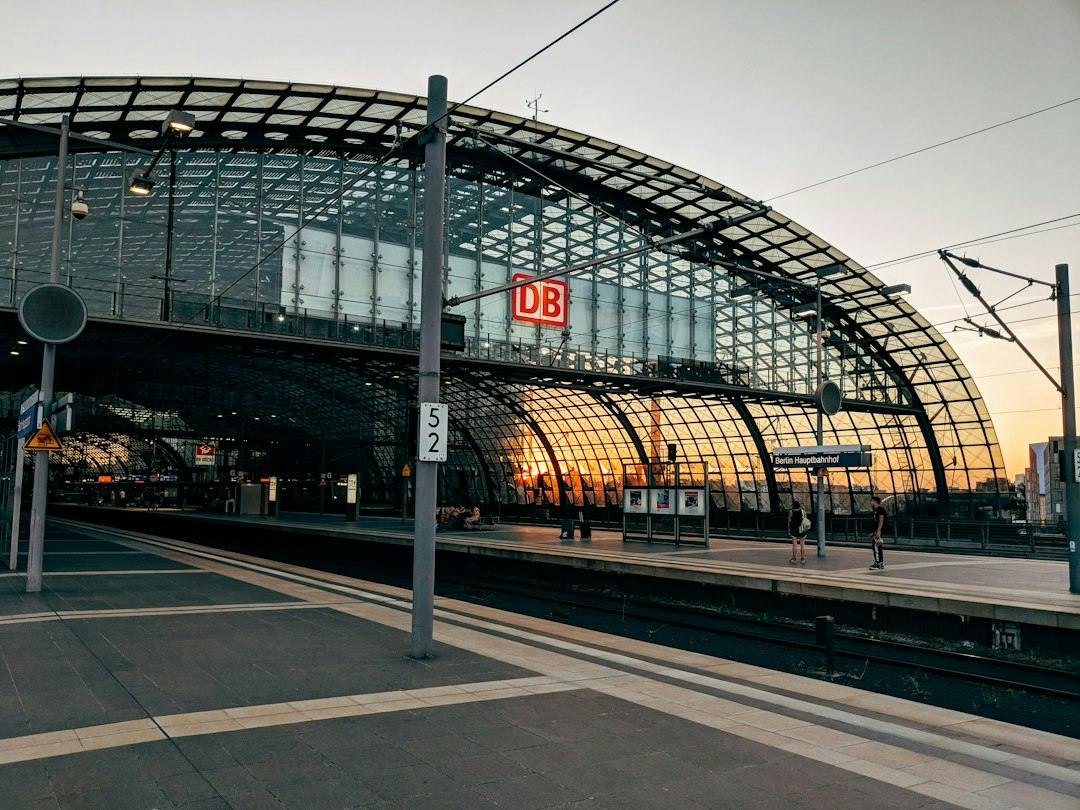
September 30, 2026
Renting in Berlin as an Expat: Your First Months, Step by Step
Photo: Markus Winkler via Unsplash.
Anmeldung, SCHUFA, rental documents and a temporary flat are usually explained as four separate topics. For someone who has just arrived in Berlin, they are one chain: you need an address to register, a registration to get many things set up, and a German paper trail before a permanent flat becomes realistic. This guide puts the steps in the order that works, with the official deadlines and rules for each. If you haven't decided where in the city to live yet, start with our guide to where most expats live in Berlin.
Why the order matters
Most newcomers hit the same loop. A SCHUFA file only starts once you have German contracts, such as a bank account or a phone plan. Those are easier to get with a registered address. A registered address needs a flat, and a permanent flat is hard to get without the paperwork that the first steps produce. The way out is to break the loop at the start: find a place you can register at, even if it's only for a few months, and build everything else from there.
Step 1: Start in a furnished or temporary flat
Many newcomers spend their first one to three months in a furnished flat, a sublet (Zwischenmiete) or a room in a shared flat. The market for this is large: according to the IBB housing market report, listings for temporary furnished apartments in Berlin rose by 24.5% in 2024 to 39,039.
Two things to know before you book:
Ask whether you can register there. You can only do your Anmeldung if whoever lets you the flat confirms your move-in in writing. Ask before you pay anything, not after you arrive. Our guide to the landlord confirmation explains why it's worth planning for early.
Rent caps don't protect you here. Under § 549 BGB, the rules on rent levels at the start of a tenancy in tight housing markets don't apply to housing let only for temporary use, so the price is whatever you agree to. Compare offers, and see our guide to furnished apartments in Berlin for what's typical.
Never transfer a deposit or rent for a flat you haven't seen and for which you have no signed contract. Fake listings aimed at people searching from abroad are a known problem; our guide to avoiding apartment scams lists the warning signs.
Photo: Grant via Unsplash.
Step 2: Register your address within 14 days
Once you've moved in, you must register (Anmeldung) within 14 days, according to the Berlin service portal. Registration is free. Bring your passport (plus your residence permit, if you have one), the completed registration form and the landlord confirmation (Wohnungsgeberbestätigung).
One detail catches many newcomers out: Berlin's online registration is only open to German and EU citizens who are moving within Germany and have an ID card with the online ID function. If you are arriving from abroad, you have to go to a Bürgeramt in person, so book your appointment as soon as you know your move-in date.
Don't let the deadline slide: failing to register can be fined up to €1,000 under § 54 of the Federal Registration Act. Our article on Anmeldung deadlines and fines covers what happens if you're late. If you're from outside the EU, your registration certificate is also one of the documents for your residence permit appointment; see residence permit and registration for expats.
Step 3: Open a bank account and start your SCHUFA file
SCHUFA, Germany's main credit agency, only knows about contracts signed in Germany. When you arrive, you don't have a bad SCHUFA record; you have none at all. A German bank account and a mobile phone contract are the quickest ways to start one, but it usually takes several months before the file says much. Our guide to SCHUFA for newcomers explains what counts instead in the meantime, such as your employment contract and recent bank statements.
If you don't have a registered address yet, some banks will still open an account; see opening a bank account without registration. Once your file exists, you can request your free SCHUFA copy to see exactly what it contains.

Photo: Nasim Keshmiri via Unsplash.
Step 4: Put your application folder together
A rental application in Germany is a folder of documents, and having it ready before viewings saves you days. A typical folder contains:
your passport or ID, and your residence permit if you're from outside the EU
a completed tenant self-disclosure form (Mieterselbstauskunft)
proof of income: recent payslips or, if you've just started, your employment contract
a SCHUFA report, or a short note explaining that your file is empty because you've just arrived
a reference from your previous landlord, translated if necessary
your registration certificate (Meldebescheinigung), once you have it
Our overview of the documents you need for a rental application goes through each one. A rent-debt-free certificate from a previous landlord is often requested, but nobody is obliged to issue one; our article on the rent-debt-free certificate explains your options. Keep scans of everything in one place, such as your Waitly profile, so you can apply the same day a flat comes up.
Step 5: Find your permanent flat and pay the deposit safely
With a registered address, a bank account and your folder ready, you can apply for long-term flats properly. Join the waiting lists in the districts you want early, because the wait is part of the process, for example in Mitte, Friedrichshain-Kreuzberg or Neukölln.
When you sign, the deposit (Kaution) can be at most three months' net cold rent, and you are entitled to pay it in three equal monthly instalments, according to § 551 BGB. Our guide to rent deposits in Berlin covers how it's held and when you get it back.
Photo: Jakub Żerdzicki via Unsplash.
Moving in: register again and set up utilities
Moving from your temporary flat to your permanent one is a new move in the eyes of the Bürgeramt, so the 14-day rule applies again: get a new landlord confirmation and register the new address. In a long-term flat you usually set up electricity and internet contracts yourself, so plan those too; our guide to setting up electricity, gas and internet walks you through it.

Photo: Vitaly Gariev via Unsplash.
Your first months at a glance
Before you arrive: book a temporary flat where you can register, and gather your passport, employment contract and a previous landlord's reference.
Week 1–2: move in, get the landlord confirmation and register at the Bürgeramt.
Weeks 2–4: open a bank account and a phone contract; if you're from outside the EU, book your residence permit appointment.
Months 1–3: join waiting lists, build your application folder and go to viewings.
Moving day: new landlord confirmation, new registration within 14 days, utilities.
Conclusion
The paperwork in Berlin feels endless mainly when you do it in the wrong order. Start with a flat you can register at, register within 14 days, open a bank account, and have your folder ready before viewings. Then create a free Waitly profile, join the waiting lists in your chosen districts, and you'll get an email when there's a new offer. Some lists charge a fee set by the landlord; you'll see it before you sign up.
Frequently Asked Questions
Can I register at a temporary furnished flat?
Yes, as long as whoever lets you the flat confirms your move-in in writing. Ask for this before you book, because without the confirmation you can't do your Anmeldung.
Can I do my Anmeldung online in Berlin?
Only if you're a German or EU citizen moving within Germany and have an ID card with the online ID function. If you're arriving from abroad, you have to register in person at a Bürgeramt.
How long do I have to register after moving in?
14 days. Registration is free, and missing the deadline can be fined up to €1,000.
Do I need a SCHUFA report to rent my first flat?
As a newcomer you won't have a meaningful one yet, because SCHUFA only records German contracts. An employment contract, recent bank statements and a previous landlord's reference are what you can show instead.
How much deposit can a landlord ask for?
At most three months' net cold rent, and you can pay it in three equal monthly instalments.