
February 17, 2025
How to Find an Apartment in Berlin: Tips and Tricks
The best way to find an apartment in Berlin is to start early, have your documents ready, use several routes at once and stay flexible on location. The tips below walk through what works, step by step. At the end you will also find what to know about the rent deposit (Kaution) before you sign.
Why finding an apartment in Berlin is so hard
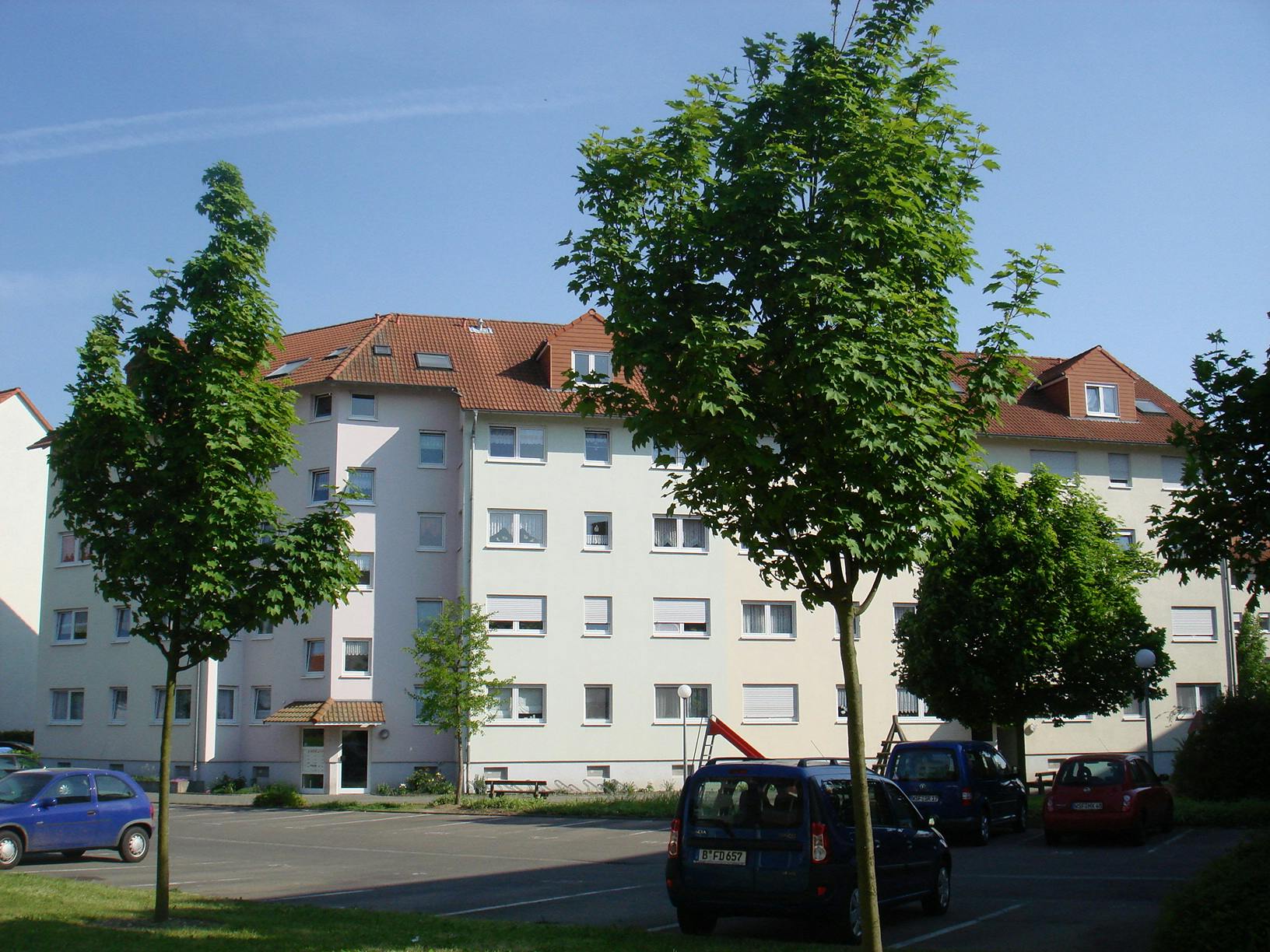
Berlin's rental market is tight: many people are searching and supply is limited. The Berliner Mieterverein (tenants' association) advises being well prepared and proactive. The city draws students, professionals and creatives, and popular listings often get a large number of replies.

Photo: Surface via Unsplash.
Our guide to why Berlin apartments are hard to find explains the background. This article focuses on what you can do yourself.
Tips for apartment hunting in Berlin: six steps
1. Prepare your documents
Build your application folder before you see the first listing. The usual items are a completed Selbstauskunft (tenant self-disclosure), a recent SCHUFA credit report, proof of income and a copy of your ID. Some landlords also ask for a WBS (housing entitlement certificate). Our overview of essential documents for German apartment applications shows what is asked for and when. If you are new to the country, see how to get your SCHUFA report.

2. Reply quickly and personally
A fast reply with complete documents is easy for a landlord to handle. Keep your message short, say who you are and attach your folder as one PDF. This guide shows how to write an apartment interest letter.
3. Use several routes at once
Do not rely on one channel. Useful routes include:
Listing portals and social networks: Competition is highest here, but new listings appear daily.
Berlin's state-owned housing companies: degewo, Gewobag, HOWOGE, GESOBAU, WBM, Stadt und Land and berlinovo publish their offers on their own websites.
Housing cooperatives (Genossenschaften): Members can apply for cooperative apartments. Our article on housing cooperative waiting lists in Hamburg and Berlin explains how this works.
Landlords' interest lists: Many landlords keep their own lists of future tenants. With Waitly you can sign up to such interest lists in Berlin and keep track of them in one place. This does not promise you an apartment. Creating a profile is free, but an individual landlord may charge a fee for a place on their list. Go to Waitly search.
Your personal network: Ask friends and colleagues. Some apartments are never advertised publicly.
If you hold a WBS, see our guide to applying for a WBS in Berlin.
4. Stay flexible on location
Central districts such as Mitte are expensive, and apartments at the edge of the city are often cheaper. Districts like Marzahn or Lichtenberg are worth a look on a tight budget. Our overview of affordable districts in Berlin helps you compare. Visit an area yourself before you rule it out. The Berlin Welcome Center (in German) also recommends being flexible about requirements and areas.
5. Make the most of the viewing
At a Massenbesichtigung (group viewing) several applicants see the apartment at the same time. Arrive on time, bring your folder and introduce yourself briefly. Check the condition of the flat, the running costs and the contract details. An apartment viewing checklist helps you not to miss anything.

Photo: Yahya Momtaz via Unsplash.
6. Spot scams
Be cautious with offers that seem too good to be true. Never send money before you have seen the apartment and checked that the landlord is who they say they are. Genuine landlords do not charge for a viewing appointment.
What if the search takes longer?
How long a search takes depends on your budget, location and flexibility, and there is no reliable average. If it drags on, widen your criteria: a room in a shared flat or a temporary sublet bridges the gap while you keep searching. Stay registered on your lists and with cooperatives even when things are quiet.
Rent deposit in Berlin: what to know before you sign
Before the lease is signed, the question of the deposit comes up for almost every Berlin apartment. Both the amount and the refund are regulated by law, regardless of the district.
Photo: Jakub Żerdzicki via Unsplash.
How high can the deposit be?
Under Section 551 BGB, a residential rent deposit can be at most three times the net cold rent, meaning the rent without utility and heating costs. You do not have to pay it all at once: the law allows three equal monthly instalments. The first is due at the start of the tenancy, the other two together with the following rent payments.
How must the deposit be invested?
The landlord must invest the deposit separately from their own assets, usually at the rate for savings deposits with a three-month notice period. The interest belongs to you as the tenant and is usually paid out with the deposit.
When do you get it back?
There is no fixed statutory deadline. Case law has established a reasonable review period, which usually runs to between three and six months depending on the case. If a utility cost statement is still outstanding, the landlord may keep part of the deposit for longer. They may only deduct what actually arises from the tenancy, such as unpaid rent, utility cost claims or damage beyond normal wear and tear, and they must justify it clearly. More in our guide to the deposit return timeline in Germany. In a dispute, start with a written deadline for repayment, then get advice from a tenants' association in Berlin.
This article is general information, not legal advice. Rules can change and may depend on your contract or situation. If in doubt, ask a tenants' association or a lawyer.
Conclusion
Finding an apartment in Berlin takes preparation, speed and several routes at once: have your documents ready, keep an eye on state-owned companies, cooperatives and interest lists, and stay flexible on location. The deposit is capped at three times the net cold rent and can be paid in three instalments. If you want to bundle your search, you can sign up to landlords' interest lists in Berlin with Waitly.
Frequently Asked Questions
Which documents do I need to rent an apartment in Berlin?
Usually a Selbstauskunft, a SCHUFA report, proof of income and a copy of your ID, plus a WBS for subsidised apartments. With your folder ready you can reply quickly.
How high can the deposit be in Berlin?
At most three times the net cold rent, so without utility and heating costs. This follows from Section 551 BGB and applies in every district.
Do I have to pay the deposit all at once?
No. The law allows three equal monthly instalments, the first at the start of the tenancy and the others with the following rent payments.
How long can the landlord keep the deposit after I move out?
There is no fixed statutory deadline. A review period of three to six months is typical and can be longer if a utility cost statement is outstanding.
Do I earn interest on my deposit?
Yes. The deposit must be invested separately, and the interest belongs to you as the tenant.
Can I find affordable apartments in Berlin?
Yes, but it takes flexibility and patience. Look at outer districts such as Marzahn or Lichtenberg and consider shared flats.
How do I avoid scams when apartment hunting?
Do not send money before the viewing, check the landlord's identity and be wary of prices far below the usual level.
What is a Massenbesichtigung (group viewing)?
An appointment where several applicants see the apartment at the same time. Arrive on time, bring your folder and introduce yourself briefly.
Deductions are only valid for unpaid rent, additional utility cost claims, or damage beyond normal wear and tear, and the landlord has to justify each one specifically, not with a blanket claim.
For why Berlin's rental market is so tight in the first place, see our guide to why Berlin apartments are hard to find. For practical steps in the search itself, see essential tips for apartment hunting in Berlin. What to check during the viewing itself is covered in our apartment viewing checklist. To start your own search, try Waitly.
What is Waitly?
Waitly is a platform where you can find landlords with interest and waiting lists, sign up online and keep track of all your sign-ups in one profile. Creating a profile is free. The landlord decides whether and when you are offered a home. Create a free profile on Waitly.