November 11, 2026
Berlin housing market 2026: rents, new builds and population in numbers
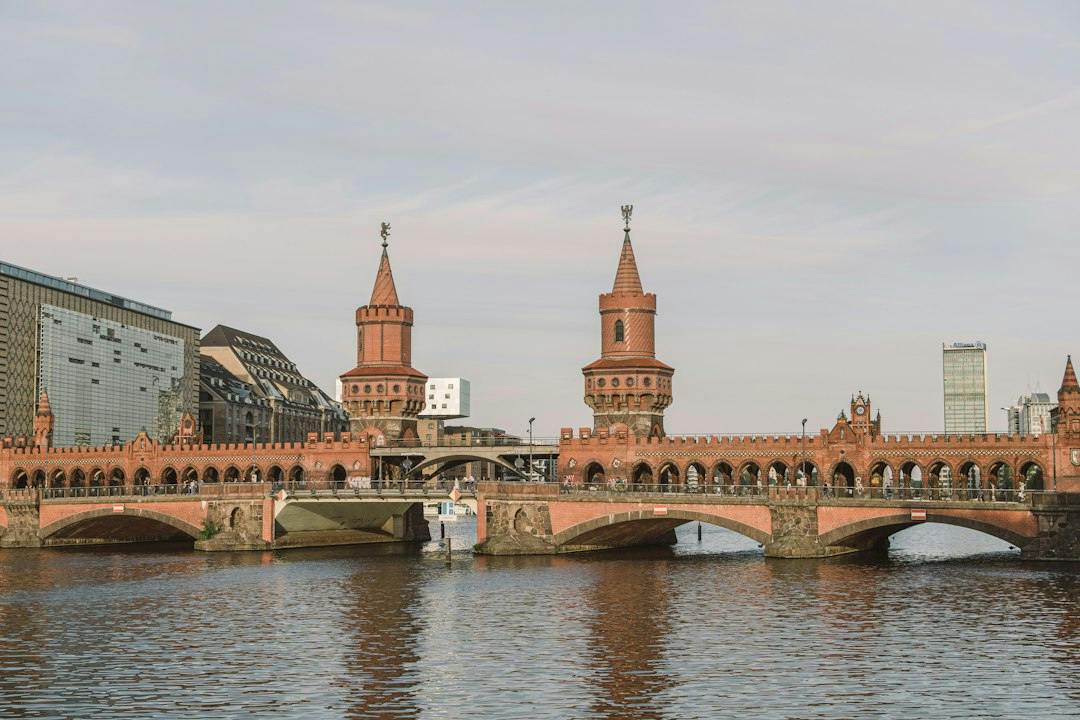
Photo: Fionn Große via Unsplash.
Berlin's housing market stays tight in 2026: new leases cost on average more than twice the rent index, fewer homes are completed, and the city keeps growing. This page collects the most important current figures with year and source. If you are searching in Berlin, Waitly's Berlin newsletter keeps you informed about flats and lists.
Last updated: 12 November 2026.
In short
Rent index 2026: 7.71 euros per square metre net cold (median), in force since 28 May 2026.
Asking rent 2025: 15.78 euros per square metre, only 4 cents more than in 2024 according to the IBB.
Completions 2025: 11,027 homes, about 28 percent fewer than in 2024.
Building permits 2025: 13,754 homes, 40.7 percent more than in 2024.
Residents at the end of 2025: 3,913,644 people with their main residence.
Rents: rent index and asking rent
Two figures are often mixed up. The rent index (Mietspiegel) shows the local comparative rent in existing leases, while the asking rent shows what new leases cost. Both matter when you budget as a flat hunter.
The Berlin Mietspiegel 2026 came into force on 28 May 2026 and replaces the 2024 version. The rent level is 7.71 euros per square metre net cold, calculated as a median. It covers about 1.6 million flats and is based on roughly 17,000 data records. According to the Berliner Mieterverein, the median rose from 7.21 to 7.71 euros, an increase of 6.9 percent.
The median asking rent in 2025 was 15.78 euros per square metre according to the IBB housing market report. For new builds it was 19.97 euros. The previous year's figure was 15.74 euros, so asking rents stagnated for the first time after two years of steep rises.
Photo: Christian Ladewig via Unsplash.
What this means for your search
The gap between 7.71 and 15.78 euros explains why searching is so hard. Someone who has lived in their flat for years often pays close to the rent index. Someone searching now pays the asking price.
A simple example: 60 square metres at 15.78 euros come to about 947 euros net cold. The IBB puts the median household net income in Berlin at 2,650 euros, so that rent would be more than a third of it. To check whether a flat fits your budget, use the 30 percent rule for rent.
How the rent index works and how to place your flat in it is explained in our article on the Berlin Mietspiegel. For prices in individual districts, see the overview of average rents in Berlin.
New builds: fewer completions, more permits
In 2025, 11,027 homes were completed in Berlin, compared with 15,362 in 2024, according to the building completions statistics of the statistics office. New construction fell from 14,632 to 9,524 homes, while homes created in existing buildings rose to 1,503.
In its press release of 22 May 2026, the Senate department called the result "not satisfactory". It attributes it to investment decisions in earlier years, shaped by higher construction and financing costs and shortages of materials and labour.
One counter-trend is permits. According to the statistics office, permits were granted for 13,754 homes in 2025, 40.7 percent more than in 2024 and the first rise in eight years. According to the Senate, more than 50,000 permitted homes are not yet finished, about 32,000 of them under construction.
Population and households
On 31 December 2025, 3,913,644 people were registered with their main residence in Berlin, about 16,500 more than a year earlier. There were 2.23 million private households, 0.7 percent more than in 2024, according to the Statistics Office Berlin-Brandenburg.
Households are getting smaller. 56.8 percent of all households are single-person households, about 1.27 million. The number of households is therefore growing slightly faster than the population.
The housing stock stood at 2,069,432 homes at the end of 2025, 10,766 more than a year earlier, according to the statistics office (release of 30 June 2026).
Social housing and state-owned stock
The IBB counts 85,765 social housing units in Berlin. About 5,000 new ones were approved in 2025, but more than 80,000 homes have dropped out of rent restrictions over the past five years. This is reported by the Berliner Mieterverein on the IBB report.
The state-owned companies together owned 374,472 homes at the end of 2025. How they rent and what you need is covered in our article on state-owned housing companies. If you may be entitled to a WBS (Wohnberechtigungsschein), see our page on WBS apartments in Berlin.
How to use the figures in your search
The numbers translate into three pointers. First, budget with asking prices, not with the rent index. Second, new construction fell in 2025, so do not plan your search around a single listing. Third, if you hear early about a free flat or an opened list, you can apply earlier.
More practical help is in our guide on finding an apartment in Berlin. On Waitly you can also sign up to landlords' waiting lists and interest lists. It is free to create a profile. The individual landlord may charge a fee for being on the list.
Frequently asked questions
What is the average rent in Berlin in 2026?
The 2026 rent index gives 7.71 euros per square metre net cold as the median for existing leases. The median asking rent for new leases was 15.78 euros in 2025 according to the IBB.
How many homes were built in Berlin in 2025?
11,027 homes were completed, 9,524 of them new builds. In 2024 the total was 15,362.
How many people live in Berlin?
At the end of 2025, 3,913,644 people had their main residence in the registry. The statistics office notes that other methods can lead to different totals.
What is Waitly?
Waitly is a platform where you find landlords' waiting lists and interest lists and sign up to them. The profile is free. Waitly notifies you by email and does not guarantee a home.
See Berlin flats early
Sign up for the Waitly newsletter for Berlin to find out when landlords open flats or lists. Signing up increases your options but does not guarantee a flat. For the details, see Student dorm in Berlin. A good overview is in Apartment in Berlin as an apprentice or first-time earner. Read more in Apartment search in Berlin, Hamburg, Munich, Cologne and Leipzig compared.