March 16, 2026
Wie viel sollte die Kaltmiete maximal sein?
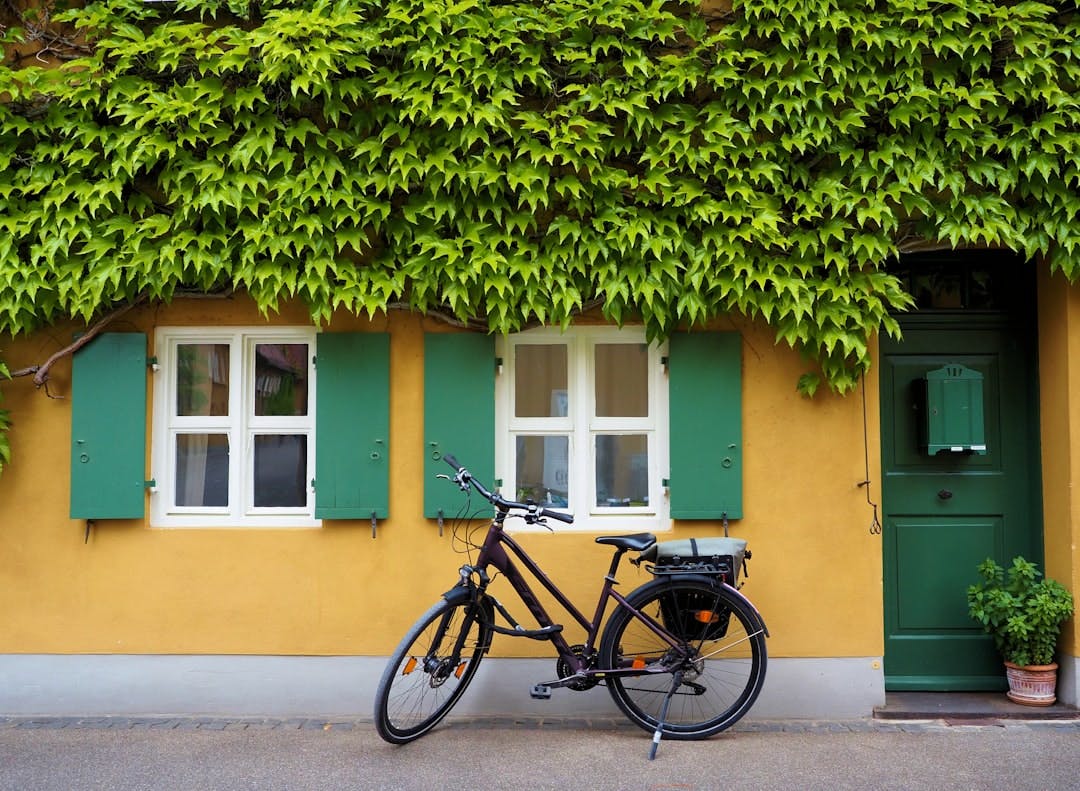
Photo: Sotirios T. K via Unsplash.
The cold rent, or Kaltmiete, should ideally not exceed 30% of your net income. This ensures you have enough left for other living expenses. For example, if you earn 2,000 euros net monthly, your Kaltmiete should be around 600 euros. Use tools and platforms like Waitly to find apartments that fit your budget without the stress.
Introduction
Finding the right apartment in Germany can be a daunting task. With high demand and limited supply, it's crucial to know how much you can afford. The Kaltmiete, or cold rent, is the base rent before utilities. It should ideally be no more than 30% of your monthly net income. This rule helps you manage other living costs comfortably. In this guide, we'll explore how much Kaltmiete you should aim for, factors affecting rent, and tips to ease your apartment search. By the end, you'll feel more confident in your search and ready to join the Waitly community.
Wie hoch sollte die Kaltmiete sein?
The Kaltmiete should not exceed 30% of your net income. This guideline helps ensure you have enough money for other living expenses. For example, if you earn 2,000 euros net monthly, aim for a Kaltmiete of around 600 euros. This leaves room for Nebenkosten (additional costs) and other essentials.
Understanding your budget is key. Use tools like the Waitly platform to find apartments within your range. Remember, the Kaltmiete is just part of the total rent. You'll also need to account for Warmmiete, which includes utilities.
Wie hoch darf die Miete bei 2000 € netto sein?
With a net income of 2,000 euros, your total rent should ideally be no more than 800 euros. This includes both Kaltmiete and Nebenkosten. Adhering to this rule helps maintain a balanced budget, ensuring you can cover other necessary expenses.
The 30% rule is widely recommended. It offers a practical approach to budgeting for rent. By keeping your total rent within this limit, you'll reduce financial stress and enjoy your new home more.
Wie viel Miete sollte man maximal zahlen?
You should aim to spend no more than 30% of your net income on rent. This includes both Kaltmiete and Warmmiete. Following this guideline ensures you have enough left for other expenses like food, transportation, and savings.
Various calculators can help you determine what you can afford. Platforms like Waitly offer personalized suggestions based on your budget. This makes it easier to find a home that suits your needs without overspending.
Wann gilt Miete als Wucher?
Rent is considered excessive if it exceeds 20% above the local comparison rate, or if it breaches the Mietpreisbremse (rent control) by more than 10%. Understanding these legal limits can protect you from overpaying.
In regions with high demand, landlords may charge more. However, knowing the Mietpreisbremse can help you negotiate fair terms. If you suspect unfair practices, consider consulting a Mieterverein (tenant association) for advice.
Tips for Finding Affordable Apartments
Finding an affordable apartment can be challenging. Here are some tips to help you in your search:
Conclusion
Finding the right apartment within your budget is possible with the right tools and knowledge. Remember to keep your Kaltmiete within 30% of your net income. This will ensure you can comfortably manage other living expenses. Use platforms like Waitly to find listings that fit your needs. Join the Waitly community today and take the stress out of apartment hunting.
Frequently Asked Questions
**What is the difference between Kaltmiete and Warmmiete?** Kaltmiete is the base rent before utilities. Warmmiete includes both Kaltmiete and Nebenkosten, covering heating, water, and other utilities.
**How do I calculate how much rent I can afford?** Use the 30% rule: your rent should not exceed 30% of your net income. Online calculators can help you determine this amount.
**What should I include in my rental budget?** Include Kaltmiete, Nebenkosten, and other expenses like transportation and groceries. Ensure you have room for savings as well.
**What documents do I need when applying for an apartment?** Prepare a SCHUFA (credit report), Selbstauskunft (tenant self-disclosure), and proof of income. These documents help landlords assess your suitability as a tenant.
**How can I negotiate rent prices?** Research the average rent in your desired area. If the price is excessive, use data to negotiate a fairer rate with the landlord. Consider joining a Mieterverein for additional support.