October 14, 2026
State-Owned Housing Companies in Berlin: Who They Are and How to Apply
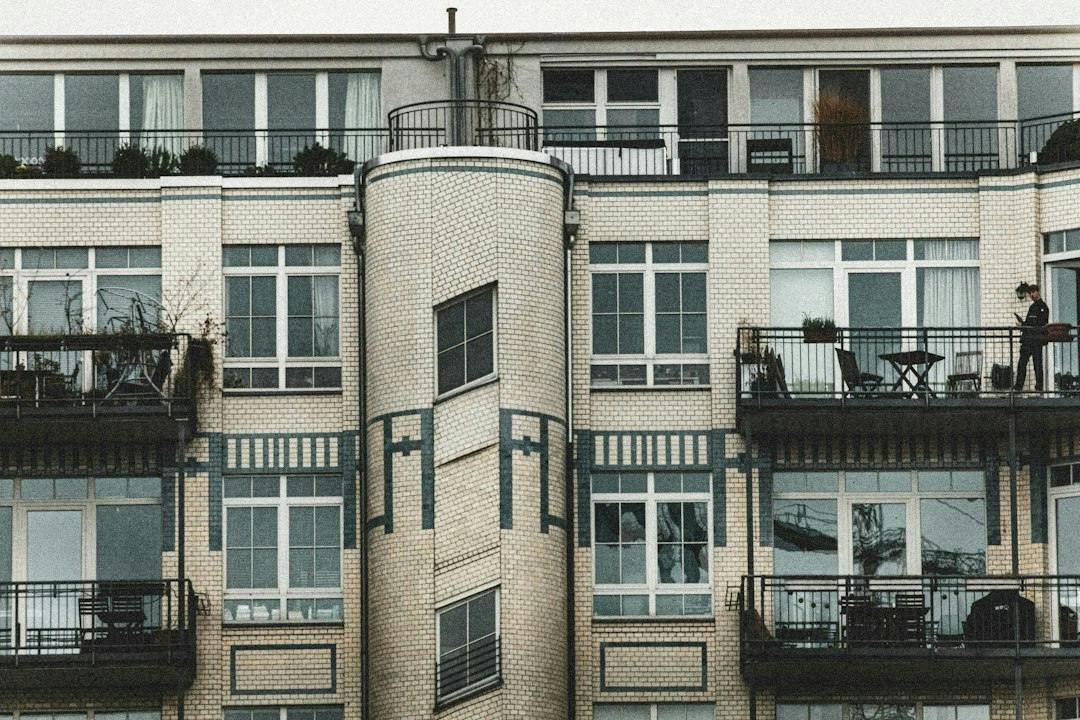
Photo: Dimitri Frixou via Unsplash.
Berlin's state-owned housing companies are the six landlords owned by the city state: degewo, GESOBAU, Gewobag, HOWOGE, STADT UND LAND and WBM, with berlinovo as a special case. Together they rent out more than 400,000 flats well below market rents, and most flats that become free go to households with a WBS housing certificate. Waitly sends you newsletters about WBS apartments in Berlin and other flats as they come up.
Last updated: 14 October 2026.
In short
Berlin owns six housing companies, known in German as landeseigene Wohnungsbaugesellschaften, and a joint cooperation agreement with the Senate sets their rules. Under it, 63 percent of re-let flats go to WBS holders and rent increases are capped at 2.9 percent a year. Each company advertises its vacant flats on its own website, and that is where you apply. None of this guarantees you a flat.
Which state-owned housing companies are there in Berlin?
Berlin has six state-owned housing companies. The Senate Department for Urban Development lists them as partners in the city's housing policy. berlinovo is sometimes counted as well, which is why you will also read about seven companies.
degewo, the largest of the six
Gewobag
HOWOGE
GESOBAU
WBM, short for Wohnungsbaugesellschaft Berlin-Mitte
STADT UND LAND
berlinovo, where the cooperation agreement only covers its "classic housing" stock
Each company is stronger in some districts than others, but there is no fixed company per district. For a close look at the listings and application process of one company, read our guide to Stadt und Land apartment offers.
How many flats do the state-owned companies own?
On 31 December 2025, the six companies owned 374,472 flats, according to a Senate report from May 2026. Including berlinovo's flats covered by the agreement, the total was 404,170. In 2025 alone the stock grew by 9,311 flats, roughly half from new construction and half from purchases.
Under the cooperation agreement, their share of the city's rental stock is meant to rise above 30 percent in the long run.
Photo: Jakub Żerdzicki via Unsplash.
What rules apply to state-owned flats in Berlin?
The rules are set out in the cooperation agreement "Leistbare Mieten, Wohnungsneubau und Soziale Wohnraumversorgung" (affordable rents, new housing and social housing supply). The current version runs from 1 January 2024 to 31 December 2027 and replaces all earlier agreements, including the rent freeze known as the Mietendimmer.
WBS quota for re-lettings
63 percent of the existing flats re-let each year go to households with a WBS. Half of these go to households earning up to 140 percent of the federal income limit, the other half to households between 140 and 220 percent. A quarter of the 63 percent is reserved for groups with special needs, such as students, refugees, homeless people and women affected by violence.
New construction
In new building projects, at least half of the floor space is generally built with public funding and comes with rent and occupancy restrictions. The privately financed new flats may not exceed an average first-letting rent of 15 euros per square metre, excluding utilities. This figure can be adjusted each year in line with the Berlin rent index. Our guide to social housing in Berlin explains how subsidised flats work.
Caps on rent increases
When a company raises rents towards the local comparative rent, its total rents for existing tenancies may rise by no more than 2.9 percent a year. Each flat also has an absolute cap: at most 50 euros more per month up to 65 square metres, 75 euros up to 100 square metres and 100 euros up to 125 square metres. After a modernisation, rent can rise by at most 2 euros per square metre within six years.
Affordability promise
Households within the WBS income and floor space limits can ask for their net rent to be reduced to 27 percent of household income. If the flat is larger than the limit, the reduction is proportional. You apply to your own company, and the promise applies only to existing tenants, not to applicants.

Photo: Sollange Brenis via Unsplash.
How cheap are state-owned flats?
State-owned flats are on average much cheaper than the open market. According to the 2024 annual report, the average rent was 6.76 euros per square metre, and new contracts averaged 8.81 euros. By comparison, the median asking rent in Berlin in 2024 was 14.50 euros.
In the same year, 12,398 flats were re-let, 66.1 percent of them to WBS holders. That is above the required 63 percent. For flat hunters, it means that without a WBS you are competing for just over a third of the existing flats that become free.
How do I find and apply for a state-owned flat?
Each company publishes its vacant flats on its own website, and that is where you apply. There is no joint application for all companies, so you apply for each offer separately.
Every listing states whether a WBS is required and which one. The companies are strong in different districts, so it pays to keep an eye on the offers of several companies.
Do I need a WBS?
For most existing flats that become free, yes. Without a WBS you are limited to privately financed flats and part of the new construction. Check your income limit early and apply for the certificate before you start searching, as explained step by step in our WBS application guide.
Photo: Angela Lo via Unsplash.
Practical tips for your application
Because state-owned flats rent far below market prices, demand for every listing is high. These points help:
Check the companies that are active in your preferred districts regularly, so you see new offers early.
Read each listing carefully for the type of WBS required and the documents the company wants with your application.
Keep your documents ready in digital form: WBS, proof of income, ID and a rent debt clearance certificate (Mietschuldenfreiheitsbescheinigung). Our overview of documents needed to rent in Berlin lists what landlords usually ask for.
Pay attention to flat size. The companies have to ensure a reasonable match between household size and flat size, so a single person rarely gets a four-room flat.
Only apply if the flat really suits you. Turning a flat down after a viewing slows down the search for you and for others.
State-owned company or cooperative?
A state-owned company is a regular landlord owned by the city, and you simply become a tenant. With a housing cooperative you buy shares and become a member, often after time on a waiting list. Our guide to Berlin housing cooperatives explains how that works.
Frequently Asked Questions
Is there a waiting list for the state-owned companies?
There is no central waiting list for all companies. Vacant flats are advertised one by one, and you apply for each offer separately with the company concerned.
Can I swap flats within the state-owned companies?
Yes. The companies run a joint swap portal for their tenants. If you swap into a smaller flat, the cooperation agreement says you take over its existing net rent. That often makes moving to a smaller flat cheaper than renting one on the open market.
Will the rules still apply after 2027?
The current cooperation agreement runs until 31 December 2027. What follows is up to the Senate and the companies. Until then, some figures, such as the cap on new-build rents, can change each year in line with the rent index.
See new Berlin flats sooner
With state-owned flats, it often comes down to who hears about an offer first. The Waitly newsletter for Berlin lets you know when new flats become available. Signing up improves your chances, but it does not guarantee you a flat.