October 14, 2026
What is an andelsbolig? Danish cooperative housing explained
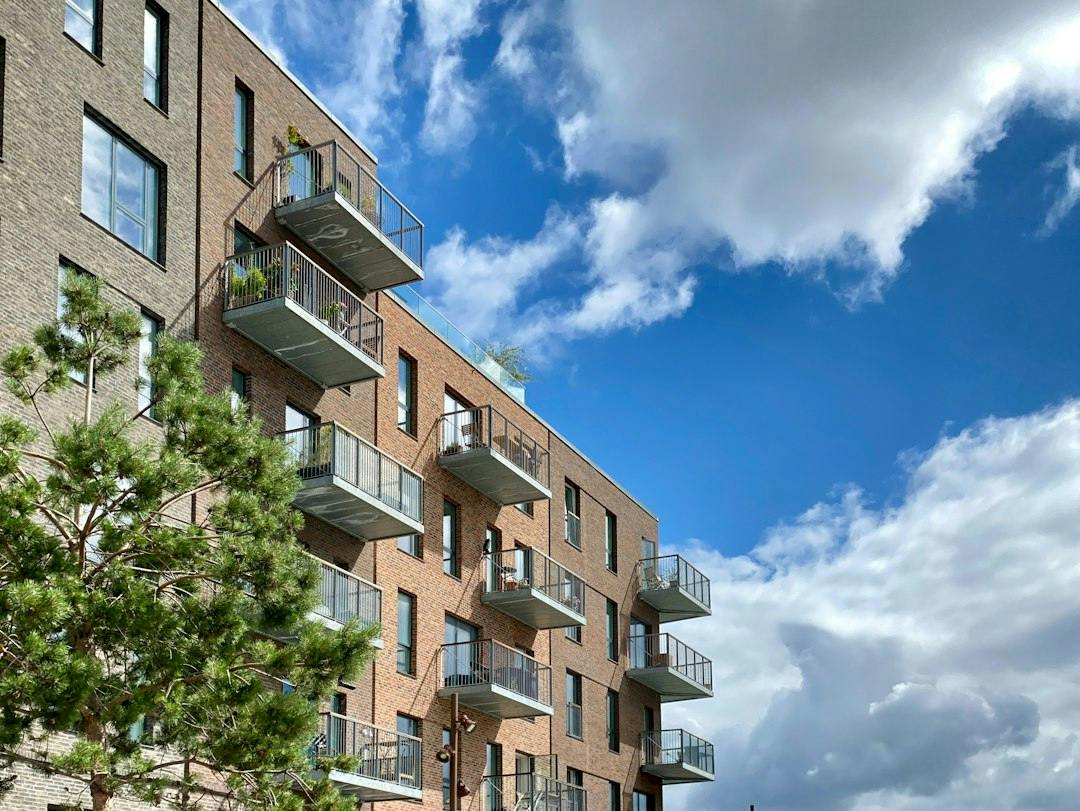
An andelsbolig is a Danish cooperative home: you buy a share in a housing cooperative (andelsboligforening) that owns the whole building, and the share gives you the right to live in one specific apartment. You do not own the apartment itself but part of the cooperative's assets, and you pay a monthly housing charge (boligafgift). Waitly gives you an overview of cooperative waitlists so you can sign up digitally.
Last updated: 13 October 2026.
In short
An andelsbolig sits between renting and owning. You buy a share in a cooperative and get the right to use one home, while the cooperative owns the building and carries its debt. The share price has a legal cap based on the cooperative's assets, and you pay a housing charge every month. Vacant shares are usually allocated through internal and external waiting lists. In return, you need capital or a loan, and the cooperative's finances become yours.
What is an andelsboligforening?
An andelsboligforening is an association that owns a building in which each member, the andelshaver, has the right to use one home. It is run by the general meeting and an elected board, and the bylaws set the rules for everything from pets and subletting to waiting lists.
Because the cooperative owns the building, it also holds the mortgages. If it has heavy debt or a maintenance backlog, both your share value and your housing charge are affected. As a buyer, always ask for the cooperative's key information form (nøgleoplysningsskema), accounts and bylaws before you sign.
An andelsbolig is not an owner-occupied home. You cannot sell to the highest bidder, and you must follow the cooperative's rules on sales, subletting and alterations. See what cooperatives in Copenhagen look like on Waitly.
What do you pay for an andelsbolig?
You pay two things: a one-off price for the share and a monthly housing charge. According to borger.dk, the housing charge covers the cooperative's costs for interest and repayments, administration, renovation, property taxes and maintenance, among other things.
The share price covers your part of the cooperative's assets plus any improvements and fixtures in the home. Many buyers finance it with a cooperative housing loan (andelsboliglån) from a bank, so the loan payment comes on top of the housing charge and utilities.
Housing charges vary a lot between cooperatives, even for homes of the same size. For a younger buyer's perspective on costs, read about student housing versus a co-op share.

What is the andelskrone?
The andelskrone is the factor your original contribution is multiplied by to find the value of your share. According to ABF, the federation of Danish housing cooperatives, it is the property's value plus other assets minus the cooperative's debt, divided by all members' original contributions.
A worked example: if the original contribution for a home is DKK 40,000 and the andelskrone is 12, the share of the cooperative's assets is worth DKK 480,000. Improvements are added, and maintenance defects are deducted.
The andelskrone helps when you compare cooperatives, but it does not tell the whole story. A high figure may reflect a fresh valuation, and a low one may hide heavy debt and therefore a high housing charge.
How is the maximum price set?
An andelsbolig may cost no more than the share of the cooperative's assets, the improvements and the state of maintenance can reasonably justify. This is set out in Cooperative Housing Act section 5, which also decides how the building may be valued.
The cooperative picks one of three values for the building:
The acquisition price: what the cooperative paid for the property.
A valuer's assessment: the cash market value as a rental property, assessed by a valuer and no more than 18 months old.
The public assessment: the most recently set property value.
For the first 2 years after a cooperative is founded by buying a rental property, it must use the acquisition price. A valid assessment made before 1 July 2020 can also be retained until the cooperative chooses a new one.
The seller cannot make the sale conditional on other deals, except buying fixtures specially fitted to the home, and you cannot be made to pay the seller's costs.

How do you get on a waiting list for an andelsbolig?
Most cooperatives allocate vacant shares through waiting lists described in their bylaws. There are usually two kinds: an internal list for current members who want to swap or move to a larger home, and an external list for outsiders.
According to ABF's guidance, candidates are normally ranked by signup date, and the board may charge a reasonable fee for being on the list. Internal candidates and swaps usually come before the external list, which is why external waits can be long.
Join several lists and keep your signups active. It helps to know the waitlist versus interest list distinction and how long a waitlist can take.
Andelsbolig or rental home: pros and cons
The choice depends on your capital, how long you plan to stay and how much say you want.
Pros of an andelsbolig:
The price cap means you do not pay the open market price of an owner-occupied home.
You co-own the cooperative and vote at the general meeting.
Your share can grow in value if the cooperative's assets grow.
Cons of an andelsbolig:
You need capital or a loan to buy the share.
The cooperative's debt and maintenance affect your finances directly.
Waiting lists can be long, and you cannot freely choose your buyer.
A rental home only needs a deposit and possibly prepaid rent, and you can leave with the Rent Act's notice period. In return, you build no equity. To keep both options open, browse rentals in Copenhagen as well.
Frequently Asked Questions
Can I sublet my andelsbolig?
It depends on the cooperative's bylaws, and the board typically has to approve. Read the bylaws before you buy if you expect to work or study abroad for a while.
Who approves my purchase?
The board typically approves both the buyer and the price under the bylaws. You also become a member of the cooperative and are bound by its bylaws.
Can I get housing benefit in an andelsbolig?
If you receive a state pension or early retirement pension, you can apply for housing benefit (boligydelse) for an andelsbolig. According to borger.dk, it is paid out as a loan.
What happens when I want to sell?
You sell the share in the order set by the bylaws, typically to a candidate from the cooperative's waiting lists. The price may not exceed the maximum price, and the board must approve the buyer.
Find an andelsbolig with a waiting list
Find housing cooperatives with open waiting lists on Waitly, read the terms for each list, and sign up. The Waitly FAQ answers common questions about signing up and your profile. A signup improves your chances, but it does not guarantee a home.