March 18, 2026
Short-Term Rentals Over 6 Months and in Berlin: The Rules
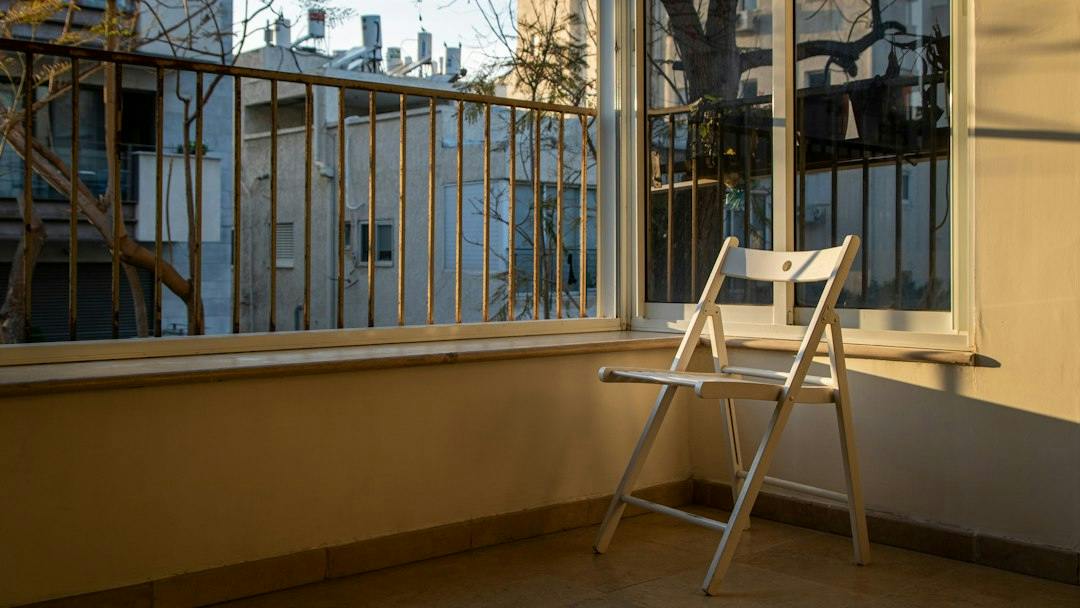
Photo: Burak Arslan via Unsplash.
German tenancy law has no fixed six-month limit for a short-term rental. The six months matter mainly in tax law, when living space is let for short-term accommodation. For tenants, what counts is whether the contract is for temporary use only or is a fixed-term tenancy. In Berlin, holiday lets also need a permit. This guide covers both sides, the tenant's and the landlord's. It is not legal or tax advice.
What is a short-term rental?
A short-term rental is the rental of an apartment or room for a limited time, often furnished, for example for an internship, a project or the time before moving into a permanent home. It is not a legal term with fixed month limits. What counts legally is how the contract is set up.

For housing rented only for temporary use, section 549 (2) no. 1 BGB disapplies, among other things, the rent brake, the rent increase rules and the tenant protection against termination. Whether a case is really temporary depends on the purpose of the contract, not on a fixed number of months. If in doubt, get advice, for example from a tenants' association.
This article is general information, not legal advice. Rules can change and may depend on your contract or situation. If in doubt, ask a tenants' association or a lawyer.
Fixed-term lease instead of a short-term rental
A normal residential lease may only be limited in time if the landlord has a statutory reason and states it in writing when the contract is signed. Under section 575 BGB these are own use, building work or letting to someone bound to provide services. Without the written notice the lease counts as open-ended. Our guide to the shortest rental contract duration goes into more detail.
Short-term rentals over 6 months: tax rules
This is where the six months come in. According to Haufe, a rental counts as short-term if it is meant to last no longer than six months. So the planned duration at the start decides, not the actual one.

The consequences for landlords who are businesses for VAT purposes:
Letting land and buildings is generally VAT-exempt under section 4 no. 12 UStG, but not the letting of living and sleeping rooms that are kept available for short-term accommodation of guests.
For that short-term accommodation, section 12 (2) no. 11 UStG sets the reduced VAT rate of seven percent. Services that do not directly serve the letting are excluded, even if they are included in the price.
If a longer letting is planned from the start, it is no longer short-term accommodation and the normal rules for residential lettings apply.
Status of the legal texts: October 2026. Ask a tax adviser how your case is classified. Our article on VAT for short-term rentals gives an overview.
Short-term rentals in Berlin: what applies?
In Berlin, the Zweckentfremdungsverbot (misuse of housing ban) means housing may only be let for residential purposes. Letting as a holiday apartment counts as misuse and needs a permit. According to the Berlin Senate Department for Housing, it is usually granted if

your main residence keeps its character and remains your centre of life, or
you let a Berlin secondary residence for no more than 90 days a year.
No permit is needed if you let at most 49 percent of the total floor area of your Berlin main residence. You still need a registration number in that case, and it must be visible in online listings. The fourth amendment to the Zweckentfremdungsverbot law has been in force since 17 June 2026. Applications and current procedures are on Service Berlin.
Are Airbnbs allowed in Berlin?
Yes, but only with the host's permit and registration number. As a guest, look for the number in the listing. As a host, contact your district office.
And if you rent for a short time as a tenant?
A furnished apartment for a limited period or a room as an interim rental is different from a holiday apartment, because someone moves in with their own rental contract. A main tenant who sublets usually needs the landlord's consent. How this works in Berlin is covered in our guide to subletting your Berlin apartment. To offer a place yourself, see how to offer a Zwischenmiete. On the way to a permanent home, our guide to furnished apartments in Berlin can help.
How to find a short-term rental in Berlin
Set the period, area and budget before you search.
Have the rental period and purpose written into the contract.
For holiday apartments, check the registration number in the listing.
Ask about the deposit: it may not exceed three months' rent excluding utilities.
Ask for the Wohnungsgeberbestätigung (landlord confirmation), because you need it to register in Berlin. See our articles on the Wohnungsgeberbestätigung and on registering at the Bürgeramt.

How Waitly can help
Short-term rentals are not Waitly's focus. If you are looking for a permanent home after the interim period, Waitly brings together waitlists and interest lists, including for Berlin. Signing up increases your options but does not guarantee an apartment. See open lists and set up your profile.

Photo: Mario Heller via Unsplash.
Frequently asked questions
How long is a short-term rental in Germany?
Tenancy law sets no fixed duration. In tax law, a letting counts as short-term if it is meant to last no longer than six months.
What tax applies to short-term accommodation?
For letting living and sleeping rooms for short-term accommodation, section 12 (2) no. 11 UStG sets the reduced rate of seven percent. Ask a tax adviser about your case.
Can I extend a short-term rental?
Only if the landlord agrees. Put the extension in writing. Whether the contract still counts as temporary afterwards depends on the individual case.
Which documents do I need for a temporary rental in Berlin?
Usually the rental contract, an ID and the Wohnungsgeberbestätigung for registration. Whether the landlord asks for more, such as a SCHUFA report, varies a lot.
What is Waitly?
Waitly is a platform where you can find landlords with interest and waiting lists, sign up online and keep track of all your sign-ups in one profile. Creating a profile is free. The landlord decides whether and when you are offered a home. Create a free profile on Waitly.