November 11, 2026
Renting in Copenhagen as an international: what to do first
To rent in Copenhagen as an international, find a home with a permanent address first, because you cannot get a Danish CPR number without one. Then register at an International Citizen Service centre, sign a written lease, and register your address. There is no central register of private rentals, so you search several places at once and watch out for scams. You can search homes with lists on Waitly.
Last updated: 12 November 2026.
The short answer
Start looking as early as you can, ideally before you arrive. Plan for a temporary first home, such as a sublet or a room, and use that time to find something longer term. Always see a home in person and have a written lease before you pay anything.
The address and CPR catch-22
The CPR number is Denmark's civil registration number, and you need it for salary, taxes and most contact with the authorities. According to the state guide Life in Denmark, you cannot apply for a CPR number before you have found a place to live and actually live there. A permanent address is mandatory. The minimum residence period needed varies by municipality, but it is usually one to three months.
You apply in person at a Citizen Service centre or at an International Citizen Service (ICS) centre. ICS East is in Copenhagen. Typical documents are:
your passport or personal ID
proof of your address in Denmark, for instance a rental contract
an EU residence document, if your residence is based on EU rules
a residence and work permit, if you are from outside the EU/EEA, the Nordic countries or Switzerland
That is why a signed lease matters from day one. Ask the landlord before you sign whether you can register your address in the home.

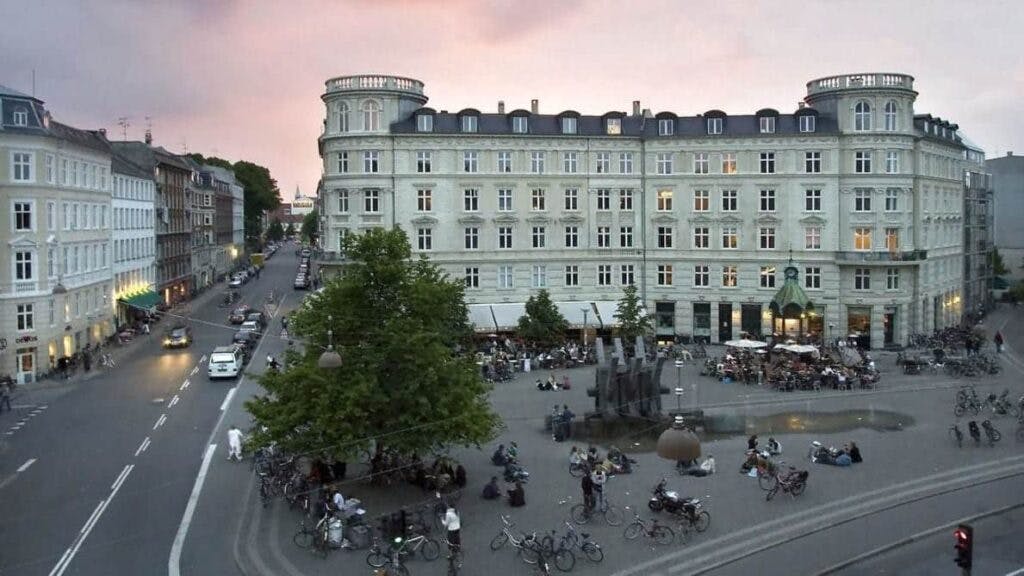
Photo: Jakub Żerdzicki via Unsplash.
Where to look for a home
Life in Denmark states that there is no central register of vacant private rental property. Each landlord decides how to advertise a home and to whom to let it. Homes and rooms are often found on the internet or through colleagues, friends and acquaintances. Rents vary a lot, and the guide notes that affordable homes are harder to find in Copenhagen and Aarhus than in small towns. Read more in Student housing in Copenhagen.
In practice, combine these routes:
Rooms and sublets. The guide says subletting is quite common, and for many people the first home is a temporary one. See our guide to renting a room in Denmark.
Waiting lists and interest lists. Some landlords allocate homes through lists, so sign up early. How a rental waitlist works explains the difference between a waiting list and an interest list. It is free to create a profile on Waitly. Individual landlords may charge a fee for being on their list.
Your university. If you are an international student, Life in Denmark advises contacting the international office at your school or university.
Student housing. In Copenhagen you can join the waiting list at Kollegiernes Kontor i København (KKIK) free of charge, according to its FAQ. Read how student housing compares with cooperative housing.
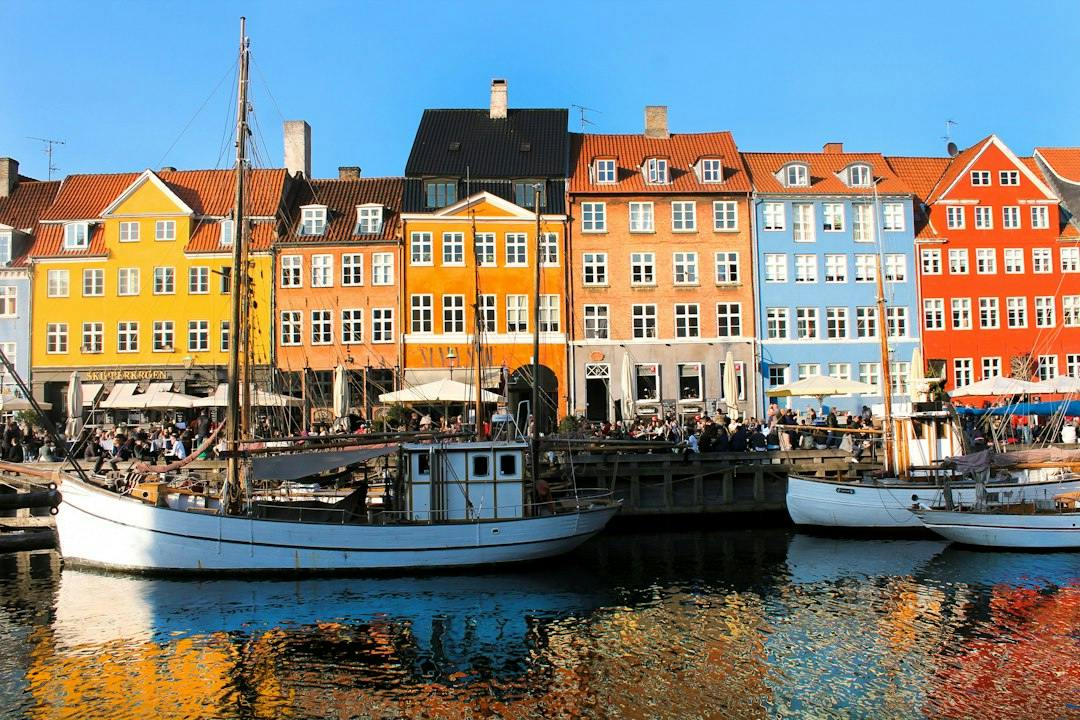
Photo: C1 Superstar via Unsplash.
Beware of fake listings
Scams are most dangerous when you are abroad and in a hurry. The Danish police advise:
Never pay prepaid rent, deposit or rent for a home you have not visited in person. A home you have only seen on video may not exist.
Check who owns the home on tinglysning.dk or boligejer.dk if you rent from a private person.
Do a reverse image search to see whether the photos are stolen.
Be wary if the price is far below similar homes in the area.
Transfer money only to a Danish bank account, and be critical of requests to use foreign accounts, Western Union or PayPal.
Never send photos of your passport or ID card.
Do not let yourself be pressured into signing immediately.
If you cannot visit before you arrive, a short temporary stay is safer than paying for a home you have not seen. A good overview is in Finding a rental in Copenhagen.

Photo: Michael Proctor via Unsplash.
The lease and what it costs to move in
Make sure you get a written lease. According to Life in Denmark, a standard lease for private letting can be downloaded from the Ministry of Children, Senior Citizens and Housing, and it is available in both Danish and English. Before you sign, check these points:
Deposit. The guide says a deposit is usually required, normally one month's rent for a room and three months' rent for a flat. Whether you get all of it back depends on the condition of the home when you move out.
Utilities. Normally heating, water and gas are not included in the rent. If they are, the lease should say so.
Notice and rent changes. Our overview of the Danish Rent Act covers your core rights as a tenant, and the rent tribunal handles many disputes.
This article is general information, not legal advice. Rules can change and may depend on your contract or situation. If in doubt, ask a tenants' association or a lawyer.
Register your address and sort out MitID
Once you have moved in, register your address. According to Life in Denmark, you can notify the authorities of a change of address at the earliest four weeks before you move, and no later than five days after you have moved in. The online service requires MitID, and in most cases you need to contact your local citizen service centre to order it.
If you need to prove your address later, a residence certificate from the municipality costs approximately DKK 100 (2026).
Can you get housing benefit?
Possibly. Life in Denmark explains that housing benefit helps pay your rent if the home has its own kitchen, and you must have a permanent address there. It is administered by Udbetaling Danmark. Our guide to housing benefit in Denmark explains how it works. For the details, see Your first rental in Denmark as a young person.

Photo: Vitaly Gariev via Unsplash.
Your first month in five steps
Decide on a temporary base, and ask whether you can register your address there.
Sign up on lists and search for homes in the areas you like.
Book a visit to the ICS centre once you have a lease and an address.
Get your CPR number, then MitID.
Keep looking for a long-term home, and read every lease before you sign.
Frequently asked questions
Can I get a CPR number before I have a home?
No. According to Life in Denmark, you cannot apply for a CPR number before you have found a place to live and actually live there. A permanent address in Denmark is mandatory.
Do I need to speak Danish to rent a home?
No. The standard rental lease is available in English as well as Danish, according to Life in Denmark. Still, ask for a Danish contract to be explained if anything is unclear.
Is there a central place to find all rentals?
No. There is no central register of vacant private rentals, so most people search several places and sign up for lists.
What is Waitly?
Waitly is a platform where you can find rentals with waiting lists and interest lists, sign up and get notified about new options. It is free to create a profile. Individual landlords may charge a fee for being on their list.