
October 14, 2026
Lejeloven: the key rules of the Danish Rent Act for tenants in 2026
Lejeloven, the Danish Rent Act, is the law that governs the relationship between tenants and landlords in private rentals in Denmark, from the lease and the rent to maintenance, subletting and notice. The current Rent Act (lov om leje) took effect on 1 July 2022 and brought together the rules from the old Rent Act and the Housing Regulation Act. If you are looking for a home, you can search rental waitlists on Waitly.
Last updated: 13 October 2026.
In short
The Rent Act gives you as a tenant a set of rights your landlord cannot contract out of. The deposit and prepaid rent may each be at most three months' rent. A landlord with more than one flat must hold move-in and move-out inspections. You can give three months' notice, while your landlord can only terminate in specific cases. Which rent rules apply depends on the age of the building and whether the municipality is regulated.
What is lejeloven, and what happened to boligreguleringsloven?
The Rent Act is officially called lov om leje and is act no. 341 of 22 March 2022, as later amended. On 1 July 2022 it replaced both the previous Rent Act and the act on temporary regulation of housing conditions, commonly known as boligreguleringsloven, the Housing Regulation Act.
The Housing Regulation Act therefore no longer exists. The rules on rent in regulated municipalities are now in the Rent Act, while the rules on rent tribunals, the housing court, municipal allocation and occupancy limits are in the Housing Conditions Act (lov om boligforhold). The concept of regulated municipalities lives on in section 4 of the Rent Act and decides which rent rules apply.
The Rent Act covers private rentals, including rooms and sublets. Social housing has its own act, and the rules for cooperative and student housing differ again.
The lease
A lease must be in writing if either party asks for it. The ministry publishes a standard lease, Typeformular A, 10th edition, which is also available in English. Read it before you pay anything, and learn how to avoid rental scams.
Terms in the lease that are worse for you than the law are often invalid. Many chapters of the Rent Act cannot be waived to the tenant's disadvantage, for example the rules on free rent, move-in inspection and defects.
How much can the deposit and prepaid rent be?
Under section 59 of the Rent Act, the deposit may be at most three months' rent. The landlord can also require up to three months' prepaid rent, which you offset against the last part of the tenancy when the lease ends.
When you move in, you may therefore have to pay up to six months' rent plus the first month's rent. Life in Denmark notes that a deposit is typically one month for a room and three months for a flat. Plan for it with the 30 percent rent rule in mind.
What types of rent are there?
The Rent Act has three main sets of rules for setting rent, and which one applies depends on the building:
Cost-based rent (omkostningsbestemt leje) applies to many older buildings in regulated municipalities. The rent may only cover the building's necessary running costs and a return.
Rental value (det lejedes værdi) applies, among others, in unregulated municipalities. The rent may not be substantially higher than for comparable homes.
Free rent (fri leje) applies, among others, to buildings taken into use after 31 December 1991 and certain new attic flats. The rent can be agreed freely, but the rent tribunal can review whether the agreement is reasonable.
The rules on increases follow the same split. Under free rent, increases typically follow the net price index if the lease says so.
Move-in and move-out inspections
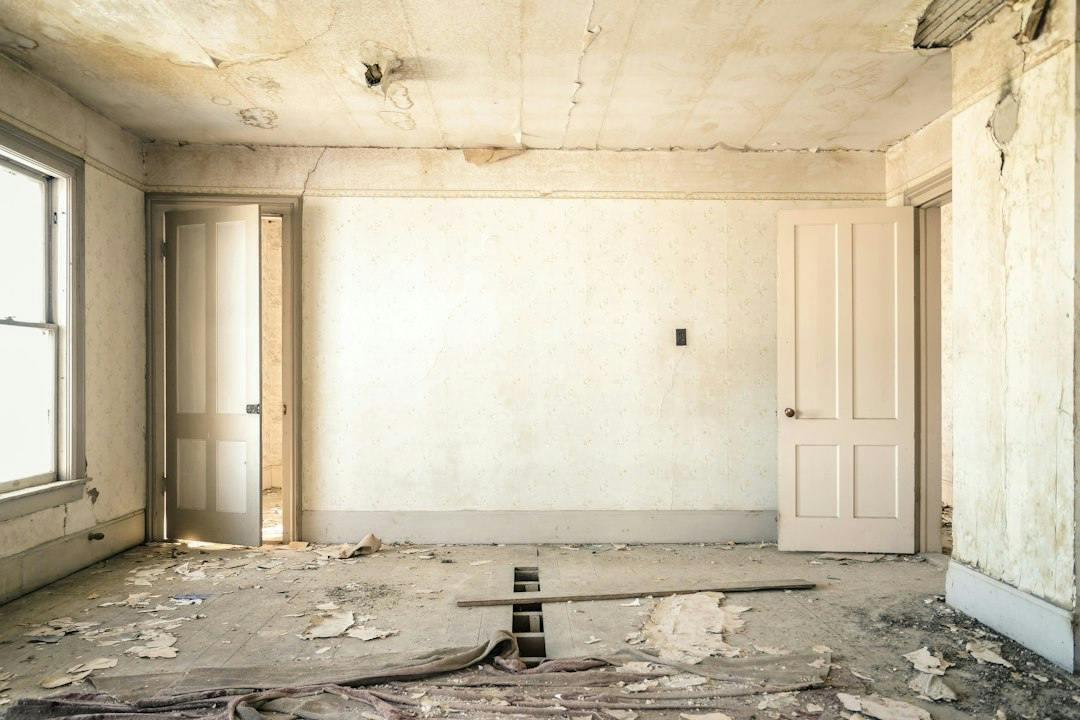
A landlord who lets more than one residential flat must hold a move-in inspection and give you a move-in report. If you are not present, the report must be sent no later than two weeks after the inspection. If you find defects, you must tell the landlord within two weeks of the start of the tenancy.
When you move out, the same landlord must inspect the flat within two weeks of learning that you have left, and summon you in writing with at least one week's notice. If the landlord breaks these rules, the claim for repairs is lost. A moving-in checklist and dated photos make the inspection easier.
Who is responsible for maintenance?
The starting point in the Rent Act is that the landlord must keep the building and the flat properly maintained, including installations for water, heating, electricity and drainage. You are responsible for locks and keys during the tenancy.
The lease can transfer the interior maintenance to you: whitewashing, painting, wallpapering and floor treatment. When you move out, you cannot be required by agreement to restore more than what your maintenance duty covers, apart from damage you are responsible for.

Can you sublet your rental?
Yes, within the limits of the Rent Act. You have the right to sublet up to half of the living rooms, as long as no more people live there than the number of rooms. If you are temporarily away because of study, illness or work, you can sublet the whole flat for up to two years.
The landlord can refuse a sublet of the whole flat if the building has fewer than 13 residential flats, or if there is another reasonable cause. The sublease must be in writing, and the landlord must get a copy before the period starts.
Notice: your deadlines and your landlord's
As a tenant you can give three months' notice to the first working day of a month, and for rooms in the landlord's own home the notice is one month. If the lease includes an agreed period where it cannot be terminated, you can only give notice once that period ends.
A landlord can only terminate a residential lease in the cases listed in section 171 of the Rent Act, for example if the landlord wants to live there, the building is to be demolished, or you have breached good order in the building. If the landlord terminates to live there, you are entitled to at least one year's notice. Waitlists can take time, so check how long a rental waitlist takes before you plan a move.
Where are disputes under the Rent Act decided?
Most disputes about rent, deposits, maintenance and utility statements go to the rent tribunal (huslejenævnet, in Danish) in the municipality where the home is. It costs a tenant DKK 367 in 2026. Cases about termination and cancellation belong to the housing court instead.
Frequently Asked Questions
Does the Rent Act also cover a room?
Yes. The Rent Act covers both flats and single rooms, and the three-month deposit cap also applies to rooms let for living. The notice period can be shorter if the room is in the landlord's own home.
Can my landlord and I agree to set aside the Rent Act?
Only in your favour. Many rules, such as those on deposits, defects, free rent and maintenance, cannot be waived to the tenant's disadvantage, so a term that breaks them is invalid.
Where can I find the current Rent Act?
The current version is on retsinformation.dk as lov om leje, in Danish. The act has been amended several times since 2022, so always check the version marked as in force.
Find a private rental with clear terms
Knowing the Rent Act makes it easier to judge a lease before you sign. Browse Waitly's lists and options to find properties with waitlists and read the landlord's terms in advance. Signing up improves your chances, but it does not guarantee a home.