April 17, 2026
What to Bring When Signing a Mietvertrag: Essential Checklist
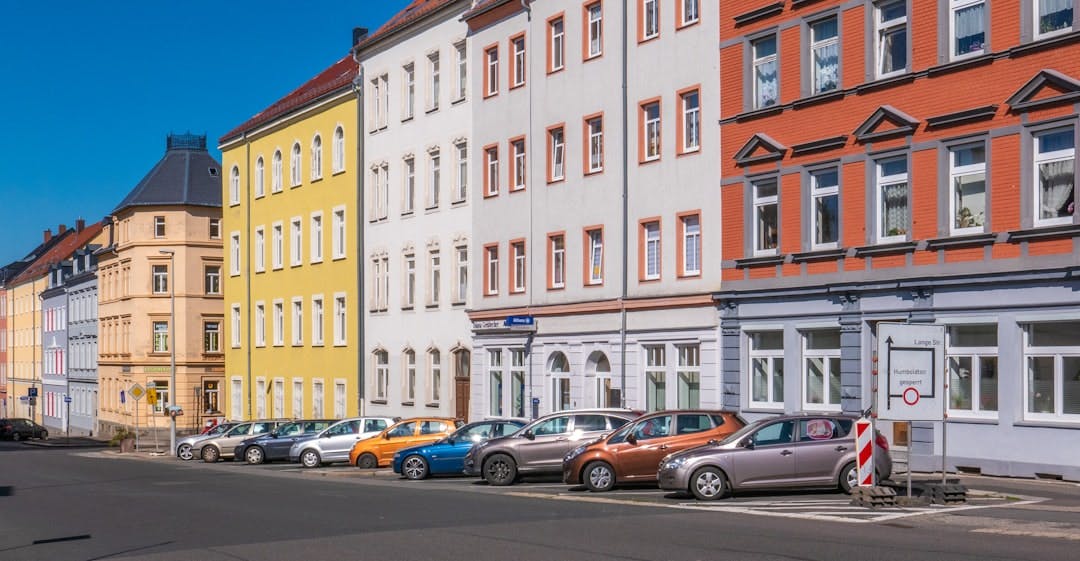
Photo: Sangga Rima Roman Selia via Unsplash.
When signing a Mietvertrag (rental contract) in Germany, you'll need several key documents, including your ID, proof of income, and possibly a SCHUFA (credit report). Make sure to understand all your obligations, such as repainting walls upon moving out. Being well-prepared can make the process smoother and help you secure your new home.
Introduction
Are you ready to sign a Mietvertrag (rental contract) in Germany? It's an exciting step, but it can also be a stressful one. From understanding the Kaltmiete (cold rent) to navigating the Nebenkosten (additional costs), there's a lot to consider. In this guide, we'll simplify the process for you. We'll cover what you need to bring when signing your Mietvertrag, what to watch out for, and how to ensure everything goes smoothly. Whether you're a first-time renter or just need a refresher, we've got you covered. Let's dive in and make your apartment search a little less overwhelming.
What do I need to bring to sign a Mietvertrag?
To sign a Mietvertrag in Germany, you'll need several important documents. These include your identification, proof of income, and sometimes a SCHUFA (credit report).
Your identification can be a Personalausweis (ID card) or Reisepass (passport). Proof of income might be recent payslips or a letter from your employer. The SCHUFA is a credit report that landlords often request to check your financial reliability. Having these documents ready will make the process smoother and faster.
What documents are necessary for a Mietvertrag?
When preparing to sign a Mietvertrag, certain documents are crucial. You'll typically need an ID, proof of income, and a SCHUFA report.
Landlords require these to ensure you can afford the rent and have a stable income. According to ksk-immobilien.de, a tenant might also need an Arbeitsvertrag (employment contract) or Immatrikulationsbescheinigung (enrollment certificate) if you're a student. Having all these ready can speed up the signing process.
Do I have to repaint the walls when moving out?
In Germany, tenants may be required to repaint walls upon moving out, depending on the Mietvertrag terms.
This is often stated in the rental contract. Some landlords expect the apartment to be returned to its original state. It's essential to check your Mietvertrag carefully to understand your obligations. verbraucherfenster.hessen.de advises tenants to clarify these points before signing to avoid misunderstandings later.
Must the landlord provide any receipts?
Yes, landlords must provide original receipts for all Nebenkosten billed.
According to mineko.de.), tenants have the right to see these documents. This transparency ensures tenants only pay for the services used. It's a good idea to request this information annually to verify the charges.
What should I check before signing the Mietvertrag?
Before signing, review the Mietvertrag thoroughly. Look for clauses on Kaution (security deposit) and Mietpreisbremse (rent control).
The Kaution is usually three times the Kaltmiete. Rent control laws may limit how much rent can increase annually. Verbraucherzentrale recommends ensuring both parties have signed the contract, as an unsigned Mietvertrag is not legally binding. Also, consider the Nebenkosten in the lease to budget correctly.
Conclusion
Signing a Mietvertrag in Germany requires preparation and attention to detail. Make sure you have all necessary documents, understand your obligations, and verify the landlord's transparency. With these tips, you'll navigate the process with confidence. Ready to find your new home? Join our waiting list at Waitly and start your apartment search today.
Frequently Asked Questions
What must I do if two people are signing the Mietvertrag?
If two people sign, both must provide identification and proof of income. Both are equally responsible for the obligations outlined in the Mietvertrag. Each must understand the terms, so review the contract together.
Is it mandatory to sign the Mietvertrag immediately?
No, you don't have to sign immediately. Verbraucherzentrale advises taking the contract home to review it thoroughly. Ensure you understand all clauses before committing.
What is a Mieterselbstauskunft?
A Mieterselbstauskunft is a tenant self-disclosure form. It includes personal details and financial information. Landlords use it to assess tenant reliability. Completing this accurately can improve your chances of securing an apartment.
Are there any hidden costs in a Mietvertrag?
While Mietverträge should be transparent, always check for unexpected Nebenkosten. Understand all fees included in the Warmmiete (total rent). Clarify any unclear charges with the landlord.
Can I negotiate terms in the Mietvertrag?
Yes, negotiation is possible, especially concerning the Kaution or minor repairs. Approach the landlord politely. Some landlords may be flexible, particularly if the apartment has been vacant.