
March 16, 2026
Understanding the Mietspiegel in Munich: A Guide for Renters
Photo: Ahmed Slimene via Unsplash.
Navigating Munich's rental market can be tough. The Mietspiegel (rent index) helps you understand the average rents based on location and apartment size. This guide explains the costs and how to use this tool for your apartment search. Consider using platforms like Waitly to simplify your search and get updates on available rentals.
In short: The Munich Mietspiegel 2025 shows an average net base rent (Nettokaltmiete) of €15.38 per m² (City of Munich, as of October 2026). Your flat can sit above or below that depending on location, year of construction and fittings. The official online calculator works that out for you.
Introduction
Finding an apartment in Munich can be challenging. The city's rental market is competitive, with high demand and limited supply. One tool that can help you is the Mietspiegel, or rent index. It shows average rents for different areas and apartment sizes. In this guide, we'll explain how the Mietspiegel works and how you can use it to find the right home. With platforms like Waitly, your apartment search in Munich becomes easier and more efficient.

Photo: Vitaly Gariev via Unsplash.
Mietspiegel Munich 2025: the key figures
The city council recognised the Mietspiegel 2025 as a qualified rent index on 26 March 2025. The key facts according to the City of Munich, as of October 2026:
Average net base rent: €15.38 per m² (Mietspiegel 2023: €14.58, an increase of 5.5%)
Data basis: rents that were newly agreed or changed between February 2018 and January 2024
Scope: privately financed flats
Qualified Mietspiegel under section 558d BGB, updated every two years
Net base rent means rent without utilities and heating. Our guide to Kaltmiete and Warmmiete explains the difference.
How much does 1 m² cost in Munich?
According to the Mietspiegel 2025, net base rent averages €15.38 per m². That is a citywide average. Current listings can differ, especially in sought-after areas such as Schwabing or the city centre.
How to use the Munich Mietspiegel calculator
The city offers an online calculation tool for the Mietspiegel 2025. It works out the local comparable rent (ortsübliche Vergleichsmiete) for privately financed flats and also gives access to the residential-location map. You can reach it from the City of Munich's Mietspiegel page. Here is how to use it:
Open the online calculator from the city's page.
Enter the flat's details, typically floor area, year of construction, location and fittings. You will find them in the listing or the contract.
Let the tool calculate the local comparable rent and note the result.
Compare it with the rent in the listing or in your contract.
For a new tenancy, the calculator also shows the maximum rent that is allowed.
How much rent can I charge in Munich?
In Munich, landlords can charge up to 10% more than the local Mietspiegel rate. This is due to the Mietpreisbremse (rent control) law. It's important for landlords to stay informed about the latest Mietspiegel updates. For tenants, understanding this can help ensure you're not overcharged. Resources like BR.de offer insights on rent regulations.
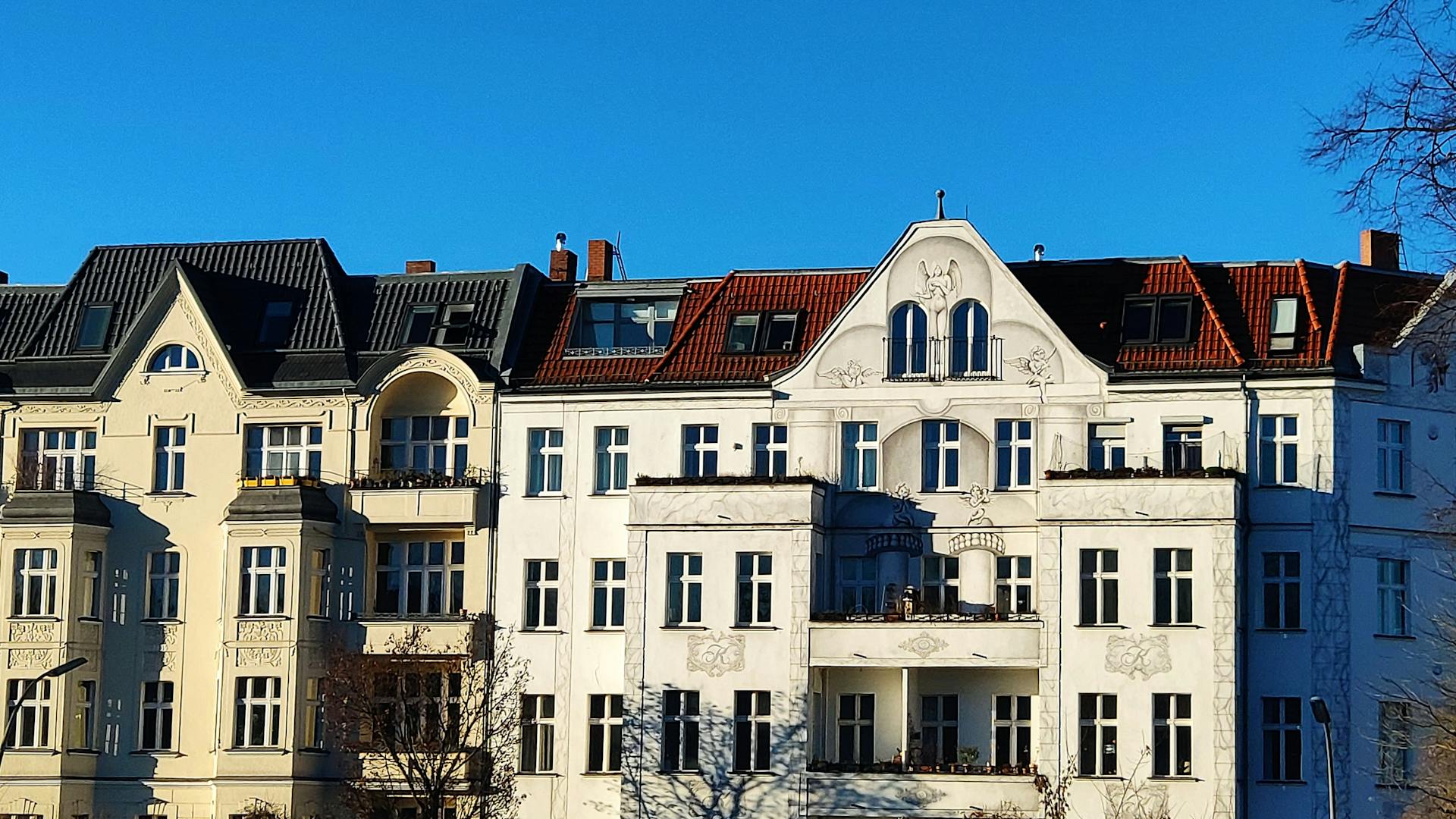
The legal basis is section 556d BGB. Exceptions apply, for example, to new builds, fully modernised flats and cases where the previous tenant paid a higher rent. The Bundestag has extended the legal basis until 31 December 2029, and Bavaria re-issued its tenant protection ordinance on 1 January 2026 (Bavarian State Ministry of Justice).
Worked example: 80 m² in Munich
Say the calculator returns exactly the average of €15.38 per m² for an 80 m² flat. The local comparable rent is then 80 m² × €15.38 = €1,230.40 net base rent. For a new tenancy under the Mietpreisbremse, at most 10% more is allowed: €1,230.40 × 1.10 = €1,353.44. If a landlord asks for more on a flat like this, it is worth checking the details, including the exceptions. Your real calculator result will differ from the average because location and fittings are factored in. The example is a guide, not legal advice.
You may be able to claim back rent you paid too much. Our guide on claiming a rent refund above the Mietspiegel shows how.
This article is general information, not legal advice. Rules can change and may depend on your contract or situation. If in doubt, ask a tenants' association or a lawyer.

Tips for Apartment Hunting in Munich
With the Mietspiegel in hand, you can start your search better prepared:
Calculate the local comparable rent before every viewing and compare it with the asking rent.
Put your documents together early. Our guide to the tenant self-disclosure form shows what a complete profile looks like.
Budget for the deposit, see our Mietkaution guide.
Look at what Munich costs overall in Munich apartment rental costs.
Students can find help in our guide to the best areas to live in Munich.
Stay flexible on location, because the residential location affects the local comparable rent.
Conclusion
Understanding the Mietspiegel in Munich can make your apartment search easier. It gives you a clear idea of what to expect in different neighborhoods. Remember, platforms like Waitly can simplify your search, offering timely updates and new listings. Ready to find your next home? Sign up for Waitly's waiting list and stay ahead in the competitive Munich rental market.

Frequently Asked Questions
What is the Mietspiegel in Munich?
The Mietspiegel is a rent index showing average rental prices in Munich. It helps renters understand the typical costs in different neighborhoods.
What is the average rent in the Munich Mietspiegel 2025?
On average €15.38 net base rent per m² (City of Munich, as of October 2026). The value for your flat depends on location, year of construction, size and fittings.
How do I find the local comparable rent for my flat?
Use the City of Munich's online calculator and enter the flat's details. The result is the basis for comparing it with the rent you are asked to pay.
Where can I find the official Mietspiegel for Munich?
The official Mietspiegel is available on the Munich city website. It includes a PDF and an online calculator for easy reference.
How often is the Mietspiegel updated?
The Mietspiegel is typically updated every two years. This ensures it reflects current market conditions and helps renters and landlords stay informed.
Can I negotiate my rent in Munich?
Yes, you can negotiate rent, but it often depends on the landlord and the demand for the apartment. Understanding the Mietspiegel can help in negotiations.
How do I use the Mietspiegel calculator?
The Mietspiegel calculator, available on Munich's city website, allows you to enter apartment details and get estimated rent prices based on the latest data.
What is Waitly?
Waitly is a platform where you can find landlords with interest and waiting lists, sign up online and keep track of all your sign-ups in one profile. Creating a profile is free. The landlord decides whether and when you are offered a home. Create a free profile on Waitly.