March 16, 2026
Modernisation Rent Increase: What Landlords Can Demand Under Section 559 BGB
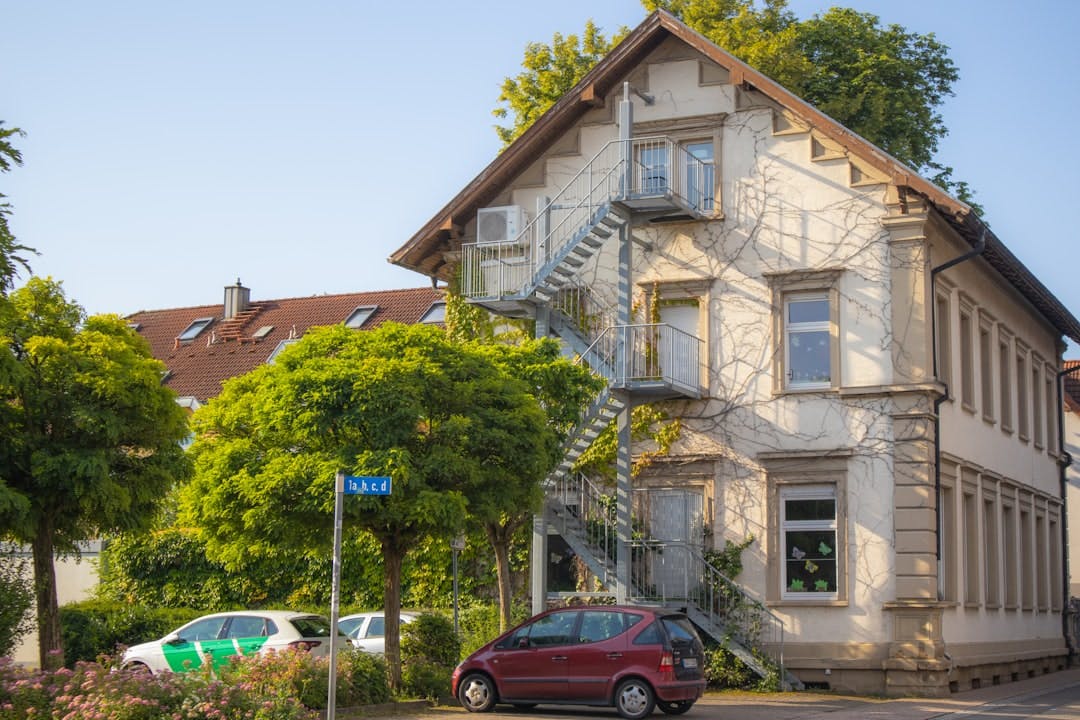
Photo: Marko Lengyel via Unsplash.
A modernisation rent increase follows different rules than the normal adjustment to the local comparative rent. While a comparison-rent increase under Section 558 BGB is tied to the local rent index and capped at 20% in three years, a landlord who has carried out a modernisation can additionally pass on 8% of the costs per year, regardless of the rent index. If you receive a rent increase notice citing an energy retrofit or a new lift, the first thing to check is which of the two rules actually applies.
Two Different Routes to a Rent Increase
Section 558 BGB governs the adjustment to the local comparative rent: the landlord may raise the rent by no more than 20% within three years, and in areas with a tight housing market, states can lower this cap to 15% by decree. This increase tracks the local rent index (Mietspiegel) and has nothing to do with actual construction work.
Section 559 BGB, by contrast, applies exclusively to modernisation: energy-efficient retrofits, installing a lift, age-appropriate conversions, or measures that durably improve living quality. Here there's no percentage cap on the current rent — instead, a fixed pass-through rate applies to the construction costs themselves.
The 8% Rule in Detail
Under Section 559(1) BGB, the landlord can increase the annual rent by 8% of the modernisation costs spent on the apartment. On costs of €15,000 for one unit, that's a permitted annual increase of €1,200, spread across twelve monthly instalments of €100 each. Maintenance costs that would have been necessary anyway — for example, simply replacing a broken heater without any efficiency gain — cannot be counted. Only the portion that goes beyond mere upkeep qualifies as modernisation under the provision.
The Cap in Euros per Square Metre
Since the 2019 tenancy law reform, an additional absolute ceiling applies, as this Berlin modernisation guide explains: rent can rise by no more than €3 per square metre of living space within six years as a result of a modernisation increase. If the starting rent before the modernisation was under €7 per square metre, that ceiling drops to €2 per square metre over the same period. For the installation of certain energy-efficient heating systems, a tighter limit of €0.50 per square metre over six years applies. This cap holds regardless of how high the actual modernisation costs were, protecting tenants from an expensive retrofit driving rent up without limit.
When the Increase Is Excluded Entirely
Section 559(4) BGB excludes the rent increase to the extent it would constitute a hardship for the tenant, taking into account expected future utility costs as well. Whether a hardship applies depends on the individual case — for instance, the ratio of the new rent to household income, or personal circumstances such as advanced age or a need for care. The tenant must actively raise the hardship objection within the deadline; it doesn't apply automatically.
Formal Requirements for the Notice
The landlord must announce the modernisation in writing at least three months before construction begins, stating the type, scope, expected start date and duration of the work, along with the expected rent increase. German tenancy-law commentary on this notice requirement notes that courts have still allowed the increase to stand even where notice was skipped, once the work itself was completed and tolerated. Missing or incomplete notice can still make the later rent increase challengeable on other grounds. Once the work is finished, the landlord must then declare the actual rent increase in writing and lay out the calculation so the tenant can check whether the 8% limit and the per-square-metre cap were respected.
What Tenants Should Check Before Agreeing
Before accepting a modernisation rent increase, it's worth comparing the costs cited against the type of work done: was this genuinely a modernisation, or just a repair? Was the six-year cap of €3 or €2 per square metre respected? Is the calculation broken down in a way you can follow? If you have doubts about the calculation or a possible hardship, a consultation with your local tenants' association can help before any deadline for an objection or special termination right runs out.
Conclusion
A modernisation rent increase under Section 559 BGB follows its own rules: 8% of the costs per year, capped at €3 or €2 per square metre over six years, and excluded where it would cause unreasonable hardship. That's a different mechanism from the regular adjustment to the local rent index under Section 558 BGB, and it deserves its own check of the notice and the calculation.
Frequently Asked Questions
How much of the modernisation cost can the landlord pass on to the rent?
8% of the costs spent on the apartment per year, under Section 559(1) BGB.
Is there a cap in euros per square metre?
Yes — at most €3 per square metre within six years, or €2 if the starting rent was under €7 per square metre.
Does a simple repair count as modernisation?
No. Only the portion of cost that goes beyond ordinary maintenance and durably improves living quality can be passed on.
Can I refuse a modernisation rent increase?
The increase itself is usually lawful if calculated correctly, but it can be excluded in full or in part if you can show it would be a genuine hardship.
Does the landlord have to announce the modernisation in advance?
Yes, at least three months before it starts, with details on the type, scope, start date, duration, and the expected rent increase.
If you want to compare your new rent after a modernisation with an affordable alternative, you'll find listings through Waitly's search. For a regular rent increase without modernisation, see Rent Increase Limits in Germany: Know Your Rights. If you have doubts about the calculation, a tenants' association can help — including what membership actually costs. For how the notice period changes after a very long tenancy, see Tenant Rights in Germany: 9-Month Notice Period After 20 Years.