March 16, 2026
Rent Increase Limits in Germany: Know Your Rights
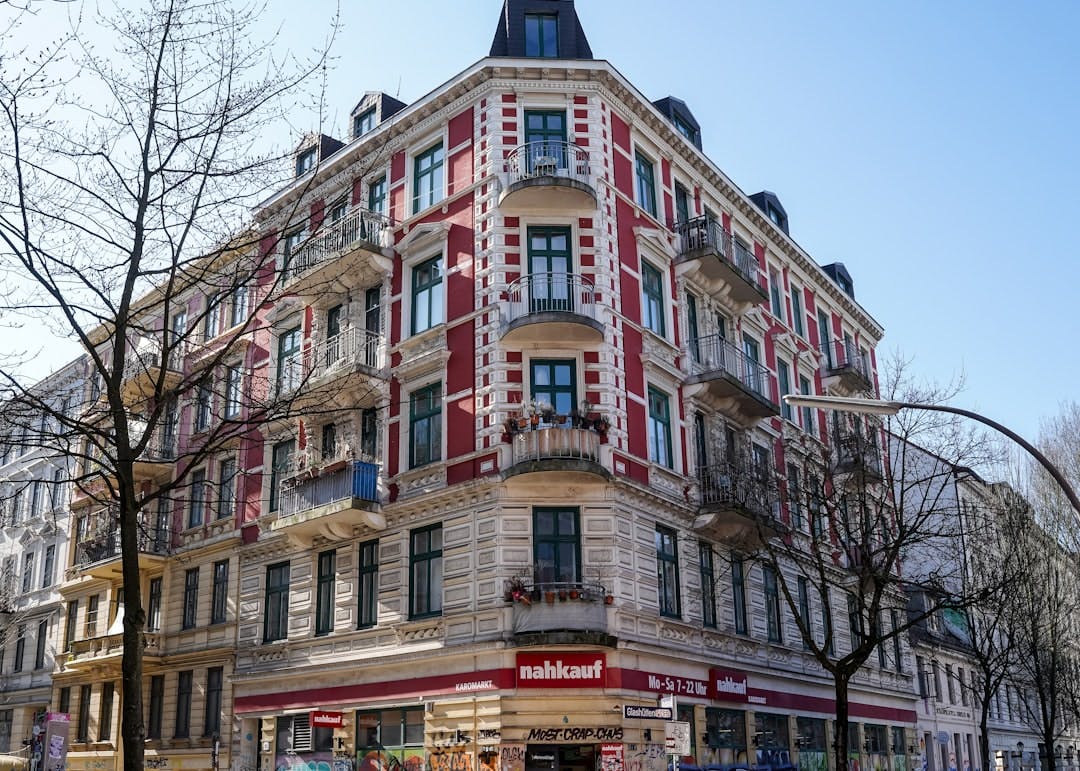
Photo: Wolfgang Weiser via Unsplash.
A rent increase on an existing tenancy follows a different rule than a new lease: the Kappungsgrenze under Section 558 BGB, not the Mietpreisbremse. The two are often confused, even though they cover different situations.
How much can rent increase at once?
For existing tenancies, a landlord may raise the rent by at most 20 percent within three years, up to the ortsübliche Vergleichsmiete. In municipalities designated as areas with a tight housing market, state governments reduce this Kappungsgrenze to 15 percent by ordinance, as provided under Section 558(3) BGB. This is different from the Mietpreisbremse, which applies only to new leases and caps rent at no more than ten percent above the ortsübliche Vergleichsmiete.
When can a landlord demand a rent increase?
A landlord can demand an increase no sooner than 15 months after the rent was last set or increased, and a new demand no sooner than one year after the previous one. The increase itself only takes effect at the start of the third month after the demand is received. In practice, that means roughly 18 months between two increases that actually take effect.
How must the landlord justify the increase?
A rent increase under Section 558 BGB must be based on the local Mietspiegel, an expert appraisal, at least three comparable apartments, or a rent database, and communicated in writing with that justification. Without a verifiable basis, the increase demand is formally invalid.
What applies for modernizations
Modernization rent increases under Section 559 BGB follow their own rules, independent of the Kappungsgrenze: the landlord may pass on eight percent of the modernization costs per year, capped at three euros per square meter over six years, or two euros if the starting rent was below seven euros per square meter.
What tenants should check when they receive an increase
Start by checking whether the deadlines were respected and whether the increase has a verifiable justification. Compare the requested amount with the ortsübliche Vergleichsmiete from the Mietspiegel and the Kappungsgrenze that applies in your municipality. If you're unsure, a consultation with the Berliner Mieterverein or your local tenant association can help. How an index-linked rent is calculated is explained separately.
Bottom line
A rent increase during an existing tenancy is capped at 20 percent over three years, or 15 percent in tight housing markets, and must be justified in writing with a verifiable basis. That's a different rule from the Mietpreisbremse that applies to new leases.
Frequently Asked Questions
What is the maximum rent increase in Germany?
Up to 20 percent within three years, or at most 15 percent in areas with a tight housing market.
Can a landlord raise the rent right after the lease starts?
No. An increase demand is possible no sooner than 15 months after the rent was last set, and it only takes effect at the start of the third month after that.
How much notice is required for a rent increase?
The increase takes effect at the start of the third month after the written demand is received.
Is a 20 percent rent increase allowed everywhere?
No. In areas with a tight housing market, a reduced Kappungsgrenze of 15 percent applies under Section 558(3) BGB.
What should I do if I receive a rent increase?
Check the deadlines and justification, compare it against the Mietspiegel, and contact a tenant association if you have doubts.
For rent increases specifically due to modernization, see Modernisation Rent Increase: What Landlords Can Demand Under Section 559 BGB. For how the Mietpreisbremse works on new leases, see Rent Caps in Germany: Understanding Mietpreisbremse Laws. Find matching listings via Waitly Search.