June 11, 2026
Can You Negotiate Lower Rent with a Landlord in Germany?
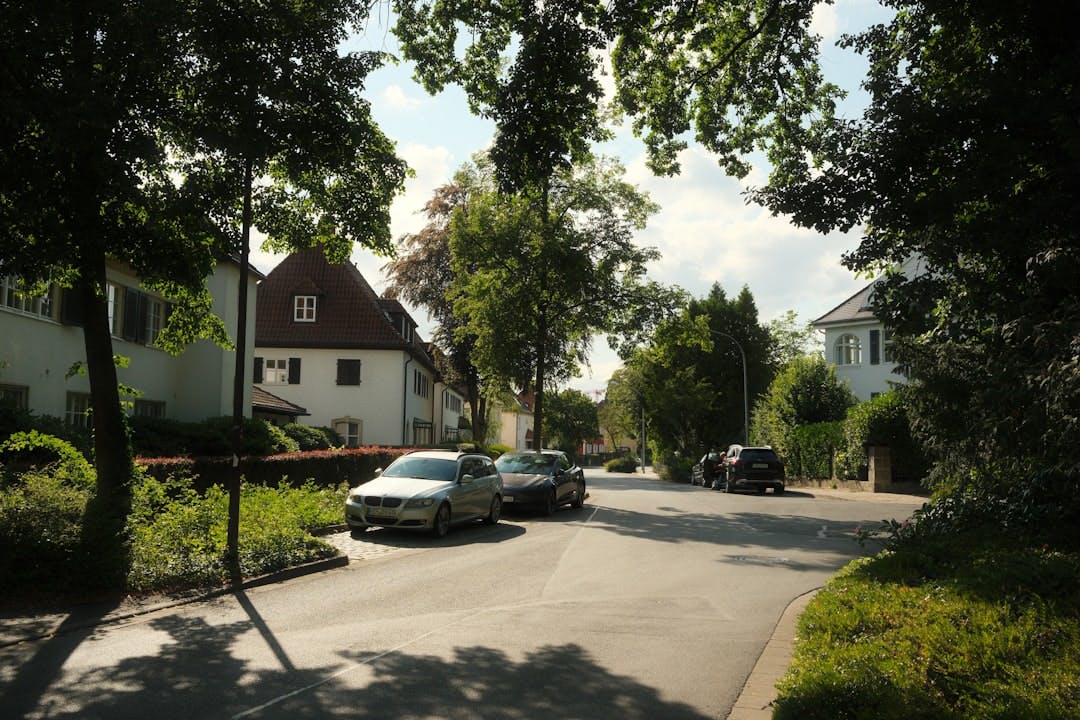
Photo: Nikita Khavkin via Unsplash.
Negotiating rent in Germany is challenging due to strict regulations and high demand. However, understanding factors like rent control and tenant rights can help. Resources like tenant associations and platforms such as Waitly provide guidance. While negotiation isn't always possible, being informed can improve your rental experience.
Introduction
Finding an affordable apartment in Germany can be tough, especially in cities like Berlin and Munich where demand is high. If you're wondering if you can negotiate rent, you're not alone. Many renters want to know if it's possible to lower the Kaltmiete (cold rent, base rent before utilities). While negotiating rent is not common in Germany, understanding your rights and the rental market can help. Platforms like Waitly make the search easier by offering guidance and resources. Let's explore how you can approach rent negotiation and what to watch out for when renting in Germany.
Can you negotiate rent in Germany?
In Germany, rent negotiation is rare but possible under certain conditions. Most landlords adhere to strict Mietpreisbremse (rent control) laws, which limit how much they can charge. However, in some cases, you might be able to negotiate if there are issues with the property or if the listed rent exceeds local norms.
The German rental market is regulated to protect tenants, so landlords cannot increase rents freely. According to The Local, rent increases are capped at 15% over three years. Rent control laws, known as Mietpreisbremse, ensure that landlords don't exploit tenants. Thus, negotiating a lower rent might be feasible if you can demonstrate that the initial rent exceeds these limits.
Can I ask my landlord to decrease my rent?
Yes, you can ask your landlord for a rent decrease, especially if there are defects or legal grounds. Although challenging, citing right-to-reduce-rent scenarios can work. Problems like heating failures or structural issues might warrant a reduction.
According to the Mieterverein Köln, tenants have the right to pay less if the apartment has defects. If you discover issues after moving in, document them and discuss them with your landlord. Sometimes, landlords may agree to a lower rent to keep a good tenant. However, always approach negotiations professionally and have evidence to support your request.
Is 1000 euros a month enough to live in Germany?
Living on 1000 euros a month in Germany is possible but depends on factors like location and lifestyle. In major cities, rent can consume a large part of this budget, making it tight. Smaller towns offer more affordable options.
In cities like Berlin, the average rent can be quite high, consuming a significant portion of your budget. However, in smaller towns or cities in East Germany, living on 1000 euros is more feasible. Budgeting for Kaltmiete, Nebenkosten (additional costs), and daily expenses like groceries and transportation is crucial. Using resources like Waitly's blog can help plan your finances effectively.
What are red flags to watch out for when renting?
When renting in Germany, watch out for red flags like unusually high deposits or landlords avoiding written Mietvertrag (rental contract). Always ensure transparency and legality in agreements.
A common red flag is being asked for a Kaution (security deposit) that exceeds three times the Kaltmiete. Additionally, landlords who avoid providing a proper Mietvertrag should be avoided. Transparency is key, so ensure all agreements are in writing. For more tips, read how to message a landlord a guide to renting success to ensure a smooth rental process.
How can Waitly make renting easier?
Waitly simplifies the rental process by providing resources and a platform to find housing. By joining the Warteliste (waiting list), you can access housing options tailored to your needs, easing the stress of apartment hunting.
With tools like Waitly, you can navigate the complexities of the German rental market. It offers guidance on everything from Anmeldung (address registration) to submitting a Selbstauskunft (tenant self-disclosure). Check out interim apartment rental how to offer zwischenmiete for more insights on rental options.
Conclusion
Renting in Germany involves understanding regulations and being prepared. While rent negotiation is not common, knowing your rights and using platforms like Waitly can help. Always be aware of red flags and ensure all agreements are clear. To make your apartment search easier, explore housing options with Waitly and join their waiting list for a smoother rental experience.
Frequently Asked Questions
Can you negotiate rent in Germany?
Yes, but it's challenging due to strict rent control laws. Negotiation might be possible if the rent exceeds legal limits or there are property issues.
Can I ask my landlord to decrease my rent?
Yes, especially if there are defects in the property. Document issues and discuss them professionally with your landlord.
Is 1000 euros a month enough to live in Germany?
It depends on location and lifestyle. In major cities, it can be tight but more feasible in smaller towns.
What are red flags to watch out for when renting?
Red flags include high deposits, no written contracts, and lack of transparency. Always ensure agreements are legal and documented.
How can Waitly make renting easier?
Waitly offers resources and a platform for finding housing, with tools for navigating the rental process and avoiding common pitfalls.