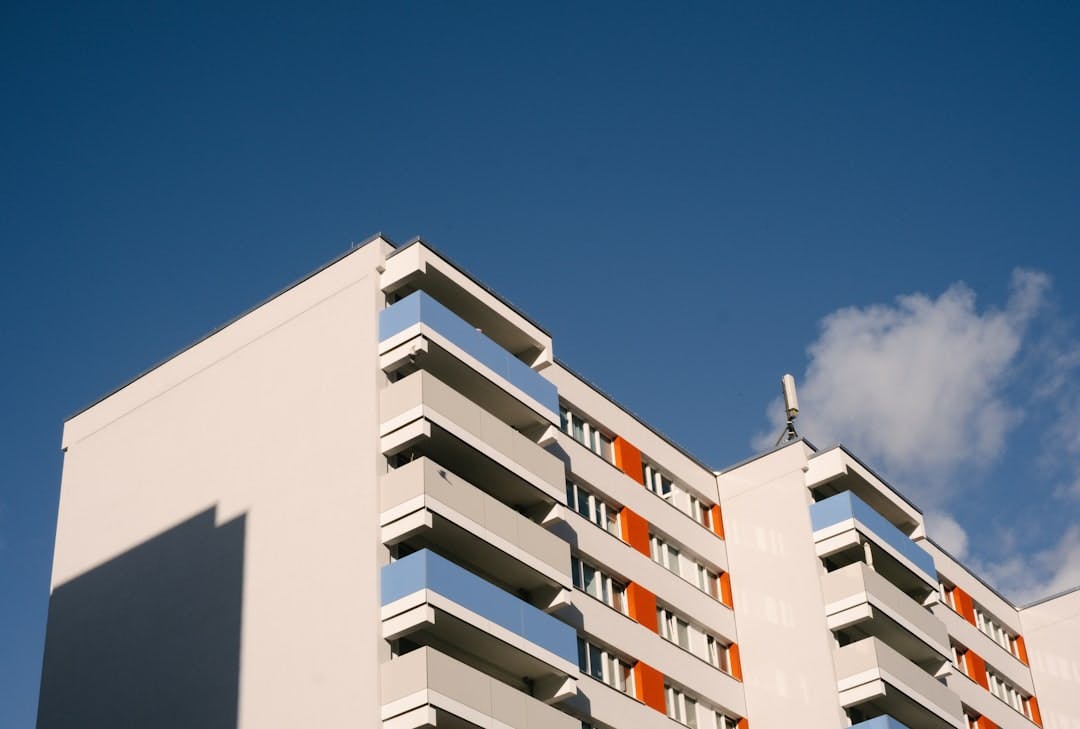
March 17, 2026
Minimum Living Space Per Person in Germany: What You Need to Know
Photo: Burak Arslan via Unsplash.
Germany has no single national minimum living space for rented flats. Two sets of rules matter in practice: the federal states' housing supervision laws, which set a floor for how many people may live in a flat (in Berlin, 9 m² per adult and 6 m² per child up to six), and the residence rules for family reunification, which ask for 12 m² per family member over six and 10 m² per child under six. This guide explains both, what they mean for couples and families, and how big a flat can be if you rent with a WBS or the Jobcenter pays your rent.
Introduction
Finding a new home in Germany can feel overwhelming. With terms like Kaltmiete and Mietvertrag, it's hard to know where to start. But understanding Germany's housing regulations can make the process smoother. The minimum living space per person is a key factor when searching for an apartment, especially if you're bringing family members to Germany or applying for subsidised housing. This article walks you through the rules that actually apply and offers tips on how Waitly can help you find the right home.
What is the minimum living space per person in Germany?
There isn't one figure that applies everywhere. Most federal states regulate overcrowding in their own housing supervision laws, and the limits differ from state to state, as a Bundestag research service overview shows. In Berlin, § 7 of the Housing Supervision Act allows a flat to be let only if there are at least 9 m² per adult and 6 m² per child up to six years old.
The better-known figures of 12 m² and 10 m² come from residence law. When you apply to bring family members to Germany, the immigration office checks whether you have sufficient living space. According to the General Administrative Regulation on the Residence Act (no. 2.4.2), that is always the case if there are 12 m² for each family member over six and 10 m² for each family member under six, with shared use of kitchen and bathroom. Falling about 10% short of this is not a problem.
How much living space is enough for a couple?
Under the family reunification rule, a couple needs at least 24 m² of living space (12 m² each). Under Berlin's housing supervision law, the floor would be 18 m².
These are minimums, not recommendations. Most people live in much more space: according to the Federal Statistical Office (Destatis), the average living space per person in Germany is 55.7 m².
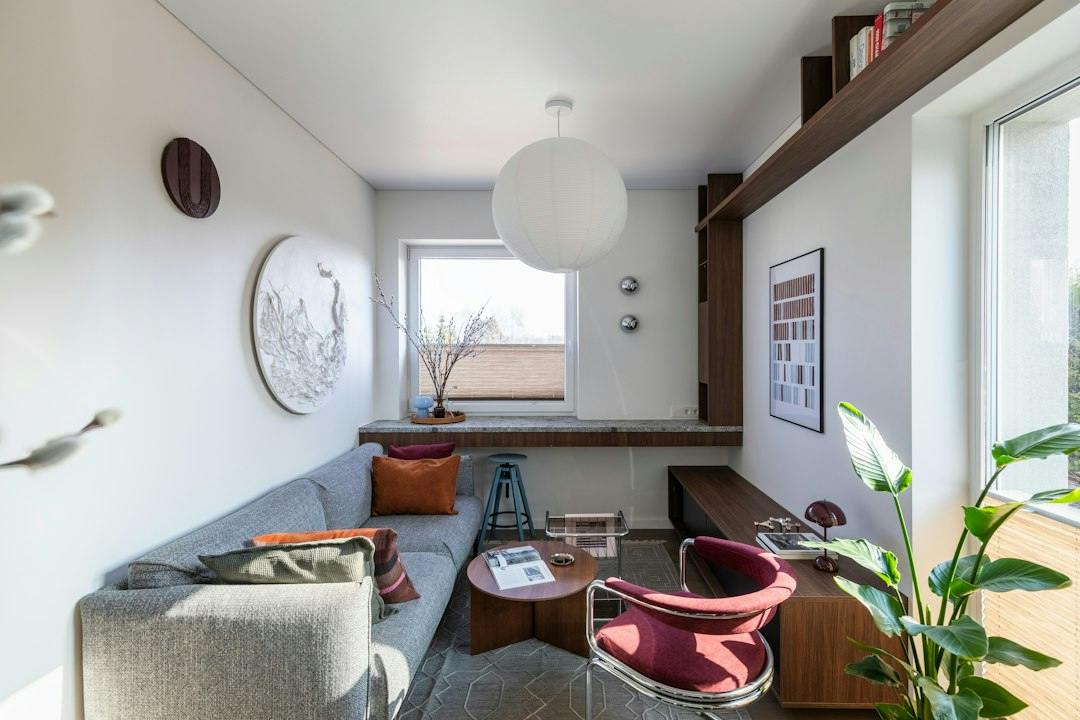
Photo: Irena Oze via Unsplash.
What should families consider when searching for an apartment?
For a family of four, the minimum depends on the children's ages. Under the family reunification rule, two adults and two children under six need 44 m² (12 + 12 + 10 + 10). If both children are over six, it's 48 m², because every family member over six counts with 12 m². Under Berlin's housing supervision law, two adults and two children under six need at least 30 m².
However, larger spaces offer more comfort and flexibility. It's also wise to consider location, amenities, and proximity to schools and parks. Our guide to the best districts in Berlin for families compares the options.

Photo: Vitaly Gariev via Unsplash.
How big can a WBS or Jobcenter-funded flat be?
If you rent with a housing entitlement certificate (WBS) or the Jobcenter pays your rent, the rules work the other way round: they set a maximum, not a minimum. In Berlin, a WBS generally entitles you to one room per household member, and since May 2018 single people may also rent 1.5- or 2-room flats of up to 50 m², according to the Berlin Senate Department for Housing. Our guides explain how to rent with a WBS in Berlin and how to apply for a WBS online.
For Jobcenter-funded housing, Berlin's implementing regulation AV Wohnen treats these flat sizes as appropriate:
1 person: 50 m²
2 people: 65 m²
3 people: 80 m²
4 people: 90 m²
5 people: 102 m²
each additional person: 12 m² more
Other cities and states use their own figures, so check with your local authority if you don't live in Berlin.
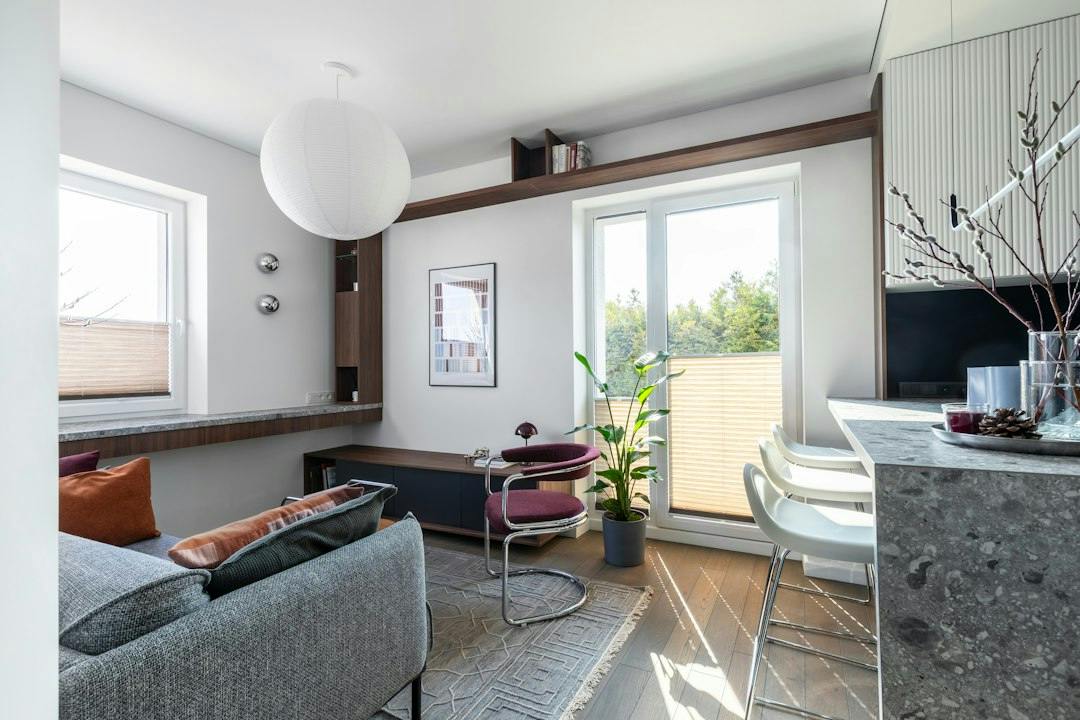
Photo: Irena Oze via Unsplash.
Is 3000 euros a good salary in Germany?
A salary of 3000 euros per month is generally considered decent in Germany. However, it depends on factors like location and lifestyle.
In cities like Berlin or Munich, where living costs are higher, 3000 euros might be average. In smaller towns, it can go further. Consider your budget for Kaltmiete and Nebenkosten when evaluating salary adequacy. Our guide How Much Rent Can I Afford? shows how to work out a realistic budget.
What is the 10 pm rule in Germany?
The 10 pm rule in Germany refers to quiet hours, which start at 10 pm and end at 6 am. During these times, noise should be minimized.
This rule is part of Germany's strict noise regulations, ensuring a peaceful environment for all residents. If you're new to the country, it's essential to abide by these rules to maintain good relations with your neighbors.
Conclusion
Understanding the minimum living space per person is crucial for a successful apartment search in Germany. Check which rule applies to you: the housing supervision law of your state, the family reunification rule if you're bringing family to Germany, or the WBS and Jobcenter limits if you rent subsidised housing. For an easier apartment search, join the waiting list on Waitly today and discover your ideal home.
Frequently Asked Questions
How much living space is required per person in Germany?
It depends on the rule. For family reunification, 12 m² per family member over six and 10 m² per child under six. Berlin's housing supervision law sets a lower floor of 9 m² per adult and 6 m² per child up to six.
What is the average living space per person in Germany?
55.7 m² per person, according to the Federal Statistical Office (Destatis).
Can I afford an apartment in Germany on a 3000 euro salary?
Yes, a 3000 euro salary is generally sufficient, but it depends on your location and lifestyle. Living costs in big cities are higher compared to smaller towns.
Is there a legal minimum living space in Germany?
Not a single national one. The federal states set minimums in their housing supervision laws (in Berlin, 9 m² per adult and 6 m² per child up to six), and residence law requires 12 m² per family member over six and 10 m² per child under six for family reunification.
How does Waitly help with finding apartments?
Waitly brings waiting lists from many landlords together in one place. You create a free profile, join the lists in the areas you want, and get an email when there's a new offer.