March 17, 2026
How do supply and demand influence the rental price?
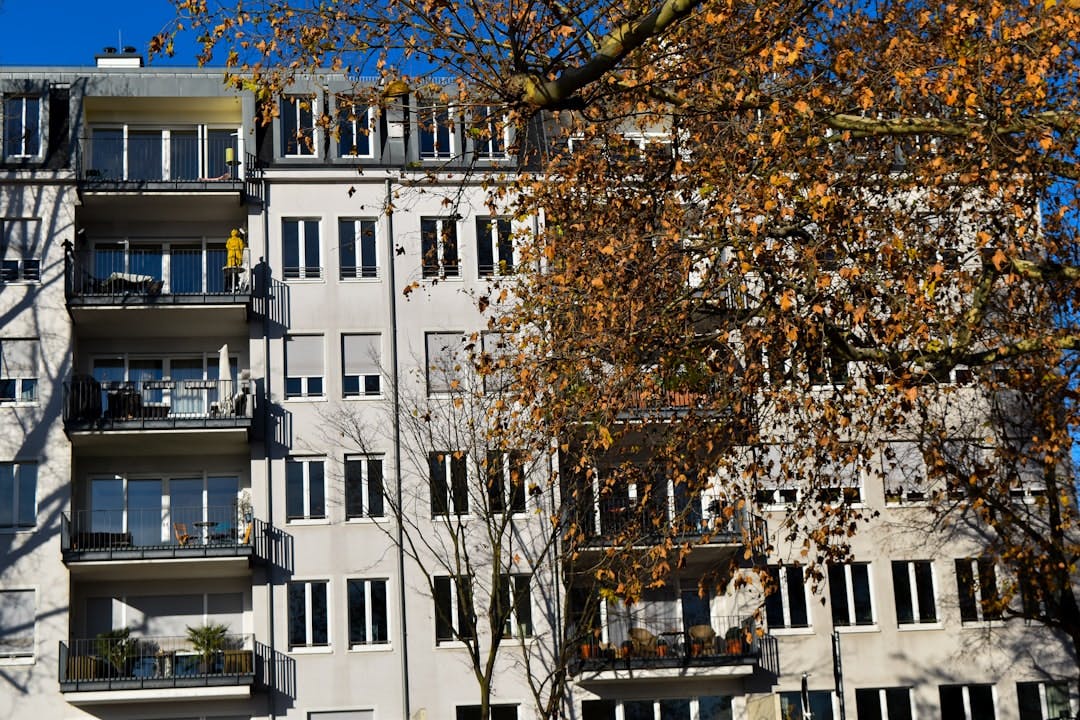
Photo: Ahmed Slimene via Unsplash.
The rental prices in Germany are significantly influenced by supply and demand dynamics. A high demand for housing with limited supply leads to increased rents, especially in cities like Berlin and Munich. Understanding these factors helps you navigate the housing market efficiently. Waitly can assist you by providing timely alerts about available apartments, enhancing your rental search experience.
Introduction
Finding an apartment in Germany can be quite a challenge, especially with the ever-rising rental prices. The primary keyword, "wie beeinflussen Angebot und Nachfrage den Mietpreis," or "how do supply and demand affect rental prices," is at the heart of this issue. When there are more people looking for apartments than there are available, prices go up. This is especially true in big cities like Berlin, where the vacancy rate is around 1.5%. But don’t worry, understanding these dynamics can give you an edge. Let's dive into how these factors work and how Waitly can make your apartment search less stressful.
How do supply and demand affect rental prices?
Supply and demand are crucial in determining rental prices. When demand is high and supply is low, rents increase. In Germany, this is evident in cities with limited housing options but high demand, such as Berlin. Here, the demand for housing is consistently greater than the supply, pushing rents upwards. According to realestate.bnpparibas.de, structural shortages and sustained demand drive up rental prices.
What other factors influence rental prices?
Apart from supply and demand, several other factors affect rental prices. Location, apartment size, and amenities also play significant roles. For example, apartments in central locations or near public transport are often more expensive. Additionally, the type of building and its condition can influence prices. ksk-immobilien.de highlights that factors like energy efficiency and additional features such as gardens or balconies also impact rental value.
How can I navigate high rental prices?
Understanding the local market and using resources like Waitly can help. By joining a Warteliste (waiting list) and using platforms to get alerts on available apartments, you can better manage your search. Also, knowing your tenant rights in Germany key protections explained can provide leverage when negotiating rents. Using these strategies can help alleviate some of the stress associated with apartment hunting.
Are there regulations to control rental prices?
Yes, Germany has measures like the Mietpreisbremse (rent control) to limit rent hikes. This regulation aims to keep rent increases within a reasonable range in high-demand areas. However, there are mietpreisbremse exceptions key insights for renters that you should be aware of. Understanding these exceptions can help you determine if you're being charged fairly and how to approach rent negotiations.
How can Waitly help in your apartment search?
Waitly simplifies your apartment search by providing timely notifications about new listings that match your criteria. By signing up, you can stay ahead of the competition in a competitive market. Additionally, Waitly respects your privacy, adhering to a strict privacy policy, ensuring your data is safe.
Conclusion
Navigating the German rental market requires understanding the dynamics of supply and demand. High demand with limited supply leads to increased rents, but by staying informed and using resources like Waitly, you can find your ideal apartment. Remember, understanding your rights and the market conditions can also give you an advantage. Ready to simplify your apartment search? Sign up for Waitly today and get started on your journey to finding the perfect home.
Frequently Asked Questions
**How do supply and demand affect rental prices?**
Supply and demand dictate rental prices significantly. When more people need housing than available properties, prices go up. This is common in urban areas with high demand and limited housing options.
**What is the Mietpreisbremse?**
The Mietpreisbremse is a rent control regulation in Germany meant to prevent excessive rent increases in high-demand areas. It aims to keep rent hikes within a reasonable range, protecting tenants from unaffordable prices.
**What factors besides supply and demand affect rents?**
Other factors include location, apartment size, and amenities. Proximity to public transport, building type, and additional features like energy efficiency play crucial roles in determining rental prices.
**How can I find apartments in Germany easily?**
Use platforms like Waitly to get alerts for available apartments matching your criteria. Join waiting lists, understand local market conditions, and know your rights to make the process smoother.
**Are there any exceptions to rent control regulations?**
Yes, there are mietpreisbremse exceptions key insights for renters. These exceptions can include newly constructed buildings or extensively renovated apartments. Understanding these exceptions helps ensure fair rent charges.