April 09, 2026
Green spaces in Neukölln
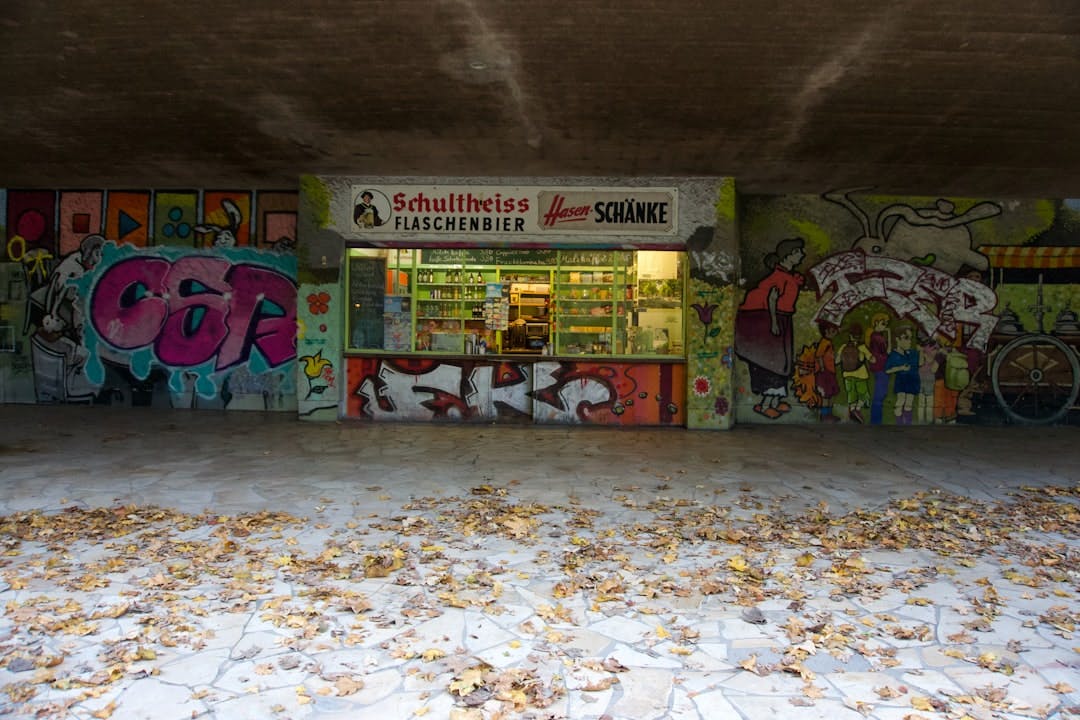
Photo: Hasan Tayyar Besik via Unsplash.
Neukölln is often associated first with dense streets, neighbourhood life, and urban energy. In everyday life, though, green space plays a much bigger role than many people expect. This balance between city life and outdoor space is one of the reasons why apartments in Neukölln remain attractive for so many renters. The district offers not only busy streets and a strong local identity, but also parks, open areas, and quieter neighbourhoods that create more room for movement, relaxation, and everyday balance.
Why green space matters in Neukölln
One of the reasons living in Neukölln works so well for many people is that the borough combines urban life with access to outdoor space. This makes the district feel more varied than its reputation sometimes suggests. Instead of being defined only by nightlife, cafés, and dense neighbourhoods, Neukölln also offers residents places where they can slow down, exercise, and spend time outdoors. For renters, this matters because housing decisions are often about more than the apartment itself. They are also about the quality of everyday life in the surrounding area.
Green space in Neukölln helps create this quality. It gives residents a break from busier streets and adds a more relaxed side to life in the district. That is especially important in a borough that is otherwise often seen as fast-paced and highly urban.
Britzer Garten and the greener side of the district
Britzer Garten is one of the best-known green spaces in Neukölln and one of the clearest examples of the borough’s quieter side. The park offers large open areas, a lake, themed gardens, and plenty of room for walking, relaxing, and spending time outdoors. For many people living in Neukölln, this kind of space is an important advantage because it gives quick access to nature without leaving the city.
The park also adds another dimension to the image of the district. Neukölln is not only about busy local streets and nightlife. It also includes places that feel calmer, greener, and more open. For people exploring apartments in Neukölln, green spaces like Britzer Garten can make the district feel more balanced and more suitable for long-term daily life.
Tempelhofer Feld and open space near Neukölln
Tempelhofer Feld offers a very different kind of outdoor setting. Its scale is unusual for Berlin and gives nearby residents access to one of the city’s most distinctive open spaces. Since the former airport site became publicly accessible, it has developed into a place for walking, jogging, cycling, skating, picnics, and community gardening. This gives Neukölln a strong outdoor advantage that many other districts do not have in the same way.
For renters, this matters because open space changes how a district feels. Being close to Tempelhofer Feld means having room for exercise, fresh air, and a sense of openness that contrasts with the denser parts of the city. That is one of the reasons why living in Neukölln appeals not only to people who want urban life, but also to those who value outdoor freedom in everyday life.
Britz, Buckow, and Rudow are calmer local areas
The greener side of Neukölln is not limited to parks alone. Britz, Buckow, and Rudow show that the southern parts of the borough offer a different residential atmosphere from the more urban north. These areas often feel calmer, more settled, and more strongly shaped by houses, gardens, and greener streets. This local variation is one of the district’s biggest strengths.
For people comparing apartments in Neukölln, these neighbourhoods can be especially relevant. They offer a way of living that still belongs to Berlin, but feels quieter and less dense than the areas around Karl-Marx-Straße, Sonnenallee, or Hermannstraße. That gives Neukölln more housing variety than many people first assume.
Living in Neukölln with more room to breathe
For many renters, the appeal of apartments in Neukölln lies in exactly this combination of city energy and green relief. The borough offers lively neighbourhoods, strong local culture, and practical transport connections, but also parks, open spaces, and calmer residential areas. This makes living in Neukölln feel more balanced than the district’s image sometimes suggests.
That is what makes Neukölln stand out as a place to live. It is a district where urban life and outdoor space remain closely connected, giving residents both everyday energy and more room to breathe.
More on this district: Berlin Neukölln apartments - living guide, Find an apartment in Neukölln, Berlin and WBS apartments in Berlin Neukölln.