March 17, 2026
How to Get Accepted by Landlords in Germany
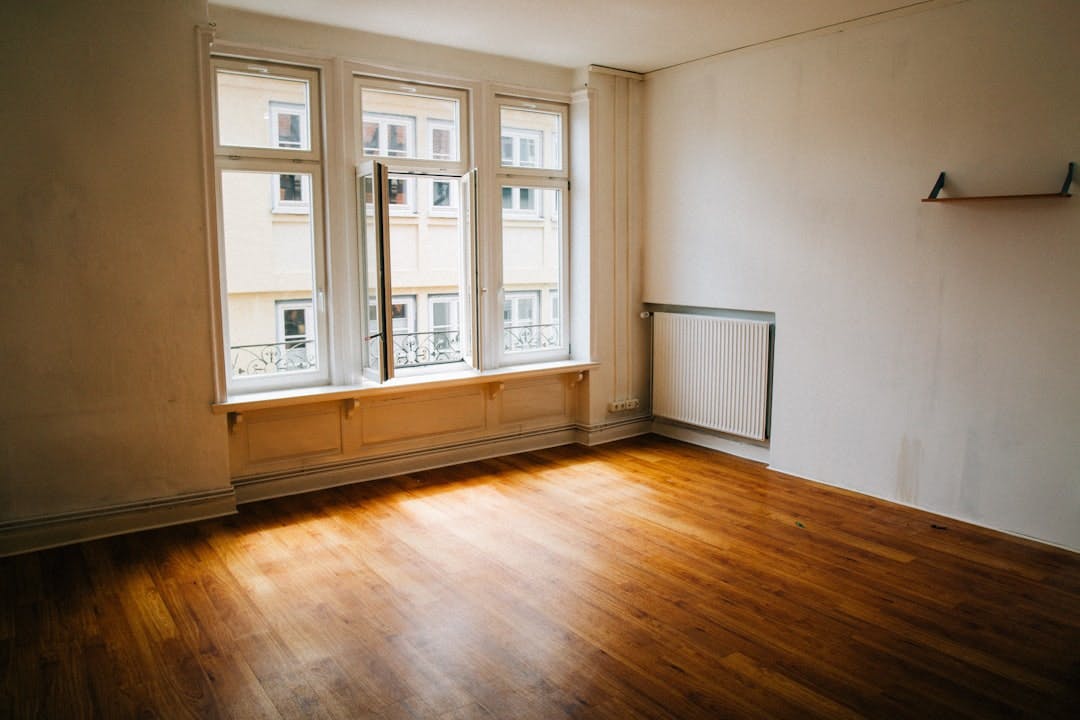
Photo: Christian Lue via Unsplash.
Renting an apartment in Germany can be challenging due to strict requirements and high demand. To increase your chances, prepare essential documents like the SCHUFA credit report and recent payslips. Understand the Kaltmiete (base rent) and Warmmiete (total rent) system. Familiarize yourself with local rental practices, such as the 10 pm noise rule, to make a good impression on landlords.
Introduction
Are you searching for an apartment in Germany? You're not alone. The rental market here is competitive. Many face challenges in securing a place. Understanding the rental process is key. In this guide, we'll help you navigate this journey. You'll learn how to meet landlord expectations. With the right documents and knowledge, you can stand out. Let's dive in and make your apartment search smoother.
How can I improve my chances with German landlords?
To improve your chances with German landlords, prepare key documents in advance. These include recent payslips, a SCHUFA credit report, and a tenant self-disclosure form. Having these ready shows you are a serious and reliable tenant.
In Germany, landlords often receive many applications. Standing out means providing all necessary paperwork. Payslips prove your financial stability, while the SCHUFA report shows your creditworthiness. According to alternativkraft.com, these documents are crucial for your application. A complete application can set you apart from others.
What is the 10 pm rule in Germany?
The 10 pm rule in Germany is a noise regulation. It requires people to keep noise levels down after 10pm. This is part of the country's strict noise protection laws.
Understanding and respecting this rule is important when renting. It shows landlords you are aware of local customs. Keeping quiet after 10 pm is a sign of respect for your neighbors. Landlords want tenants who will follow these rules. By being mindful of noise, you can make a positive impression.
Is it difficult to rent an apartment in Germany?
Yes, renting an apartment in Germany can be difficult due to high demand and strict requirements. Many cities have low vacancy rates, making competition fierce.
According to nexus-gmbh.biz, the competition is especially tough for foreigners. To succeed, you need to be well-prepared. This means having all documents ready and understanding the rental process. Patience and persistence are also key. Some areas, like Berlin, are particularly competitive. You can learn more about finding apartments for rent in Berlin on our blog.
Is 1000 euros a month enough to live in Germany?
1,000 euros a month is generally not enough to cover living expenses in Germany, especially in big cities. Costs can rise to around 1,500 to 2,000 euros monthly, including rent.
According to expatrio.com, living costs vary by location. In smaller towns, expenses might be lower. However, big cities like Munich or Frankfurt are costly. To manage your budget, consider sharing an apartment or looking for 4 room apartment Leipzig rent to split costs with others.
Who is the guarantor for rent in Germany?
A guarantor in Germany is someone who agrees to cover your rent if you cannot pay it. They are usually a family member or close friend with a stable financial background.
Having a guarantor can strengthen your rental application. It reassures landlords of payment security. If you're new to Germany, finding a local guarantor might be challenging. In such cases, focus on providing a strong financial profile with your own documents. For more details on renting as a newcomer, including guarantors, see the German government's Make it in Germany portal.
Conclusion
Renting in Germany may seem daunting, but being prepared can make a difference. Gather all necessary documents and understand local customs. Respecting rules like the 10pm noise regulation can boost your chances. Start your apartment search with confidence. Visit Waitly to join our waiting list and find your new home today.
Frequently Asked Questions
What documents do I need to rent in Germany?
You need payslips, a SCHUFA credit report, and a tenant self-disclosure form. These documents prove financial stability and creditworthiness. They are crucial for a successful rental application.
How do I get a SCHUFA report?
You can request a SCHUFA report online or via mail. It's essential for proving your creditworthiness to landlords. Some websites offer free annual reports, while others charge a fee.
Can I rent an apartment without a SCHUFA report?
It's challenging but possible. Some landlords may accept alternative proof of financial stability, like bank statements or a guarantor. However, having a SCHUFA report significantly improves your chances.
What is Kaltmiete and Warmmiete?
Kaltmiete is the base rent excluding utilities, while Warmmiete includes all additional costs like heating and water. Understanding these terms helps you budget for your total rent expenses.
How can I find an apartment in Berlin?
Finding an apartment in Berlin requires patience and preparation. Start by browsing listings on platforms like Waitly. You can also explore our blog on apartment hunting in Hamburg tips reviews best rental strategies 2025 for helpful insights.