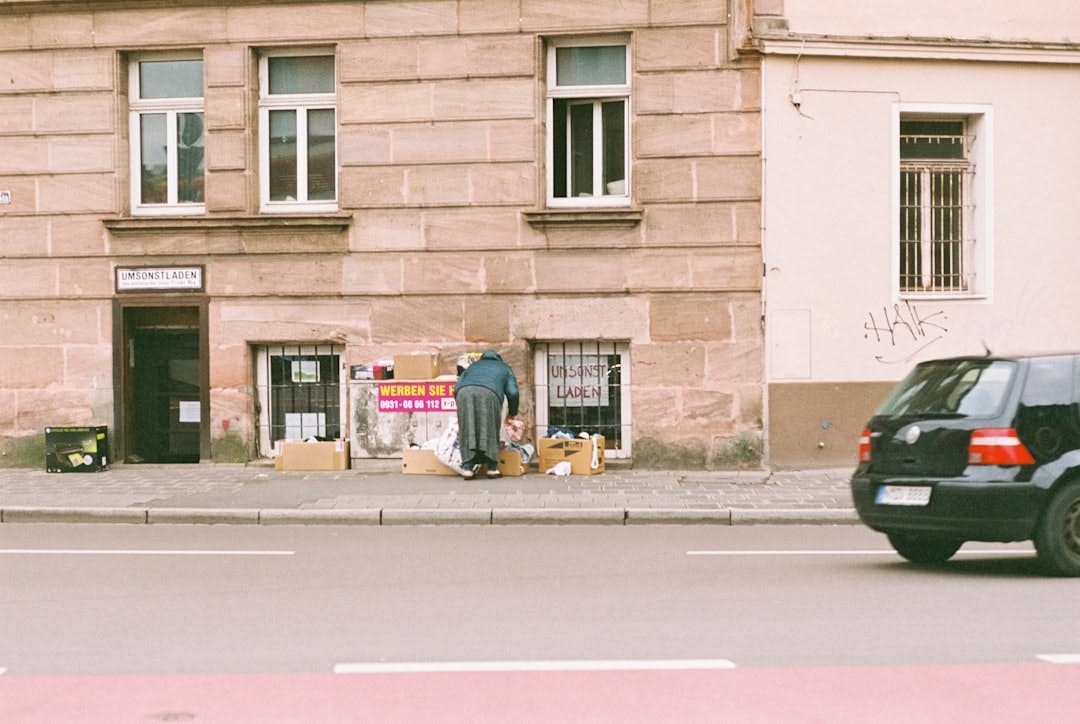
Apartment building

Category

Economy

Article by

Waitly

April 17, 2026

What to Consider When Moving into Your First Apartment

Moving into your first apartment in Germany can be exciting yet challenging. You need to consider factors like Kaltmiete (cold rent), Nebenkosten (additional costs), and important paperwork such as Anmeldung (address registration) and Mietvertrag (rental contract). This guide will help you navigate the process and make informed decisions for a smooth transition.

Introduction

Finding your first apartment is a significant milestone. It marks the beginning of a new chapter in your life. But the process can be daunting, especially in Germany, where rental agreements and housing terms like Kaltmiete (cold rent) and Nebenkosten (additional costs) might be new to you. Understanding these terms and knowing what to expect can make the transition smoother. This guide will provide you with essential tips and insights to help you navigate the German rental market like a pro. From budgeting to paperwork, you'll learn how to manage your first move effectively and enjoy your new home.

What should you consider when moving into your first apartment?

When moving into your first apartment, consider factors like rent, additional costs, and necessary paperwork. It's crucial to understand terms like Kaltmiete and Nebenkosten. Also, prepare for tasks such as Anmeldung and securing a Mietvertrag.

Moving into your first apartment involves more than just signing a lease. You need to budget for Kaltmiete, which is the base rent, and Nebenkosten, which include utilities and other expenses. These additional costs can significantly increase your monthly rent. You can use tools like a warmmiete calculator to budget effectively. Additionally, ensure you have all necessary documents for Anmeldung, which is registering your address with local authorities, and carefully review your Mietvertrag to understand your obligations and rights as a tenant.

How long does it take to feel at home in a new apartment?

Feeling at home in a new apartment can take a few weeks to several months. It depends on how quickly you adapt and establish routines. Personalizing your space and getting familiar with your neighborhood can speed up the process.

Adapting to a new environment takes time. Start by unpacking and setting up your space to reflect your personality. This can make your apartment feel more like home. Exploring your neighborhood and meeting neighbors can also help you settle in faster. According to studies, establishing daily routines and finding local spots you enjoy can aid in feeling more comfortable in your new surroundings.

What is the best order to move into a new apartment?

The best order to move involves planning, packing, and organizing. Start by decluttering, then pack non-essential items first. Arrange for utilities to be set up, and finally, move your essentials last for easy access.

Moving can be overwhelming, but a structured approach helps. Begin by decluttering, which reduces the number of items you need to move. Pack non-essentials like seasonal clothing and decorations first. Ensure utilities, such as electricity and internet, are set up before moving in. Finally, move essentials like kitchenware and bedding last so you can easily access them on your first night. Consulting a moving checklist can keep you organized throughout the process.

What are the advantages of having your first apartment?

Having your first apartment offers independence, privacy, and responsibility. It allows you to create a personal space and manage your own household. This experience can be empowering and rewarding.

Living in your first apartment comes with many benefits. It provides independence, letting you make decisions about your living space. You'll enjoy privacy and the freedom to set your own schedule. Additionally, managing a household teaches valuable life skills, such as budgeting and problem-solving. This experience can boost your confidence and prepare you for future challenges. According to experts, having your own place also encourages personal growth and self-sufficiency.

How can you manage rental costs in Germany?

To manage rental costs in Germany, understand Kaltmiete, Nebenkosten, and other expenses. Use tools to budget and keep your Kaltmiete under 30% of your net income. Consider a mietpreisbremse to ensure fair pricing.

Managing rental costs involves more than paying rent. In Germany, Kaltmiete is just the starting point. Additional costs, or Nebenkosten, include utilities and maintenance fees. To budget effectively, use a warmmiete calculator to estimate total expenses. Aim to keep your Kaltmiete under 30% of your net income for financial stability. Familiarize yourself with local rent control laws, like mietpreisbremse, to ensure you're not overpaying for rent.

Conclusion

Moving into your first apartment in Germany is an exciting journey. Understanding key terms like Kaltmiete and Nebenkosten, and managing essential tasks such as Anmeldung and securing a Mietvertrag, are crucial steps. Use resources like the warmmiete calculator to budget effectively. Ready to find your dream apartment? Join the Waitly waiting list and start your search today!

Frequently Asked Questions

What documents do I need for renting my first apartment in Germany?

You need a SCHUFA (credit report), proof of income, and a Selbstauskunft (tenant self-disclosure). Additionally, have your ID and previous landlord references ready.

How can I find affordable apartments in Germany?

Research online platforms, join a Genossenschaft (housing cooperative), and consider locations outside major cities. Use the mietpreisbremse to find fairly priced apartments.

What should I look for in a Mietvertrag?

Check the Kaltmiete, Nebenkosten, and duration of the contract. Ensure there are no unfair clauses and understand your rights and obligations as a tenant.

How do I set up utilities in my new apartment?

Contact local providers for electricity, gas, and internet. Register for services before moving in. Consult the AOK checklist for a detailed guide.

Are there any government supports for first-time renters?

Yes, you can apply for housing benefits or a WBS (housing entitlement certificate) if eligible. Check with local authorities for specific programs available.