June 11, 2026
What to Avoid When Renting an Apartment in Berlin
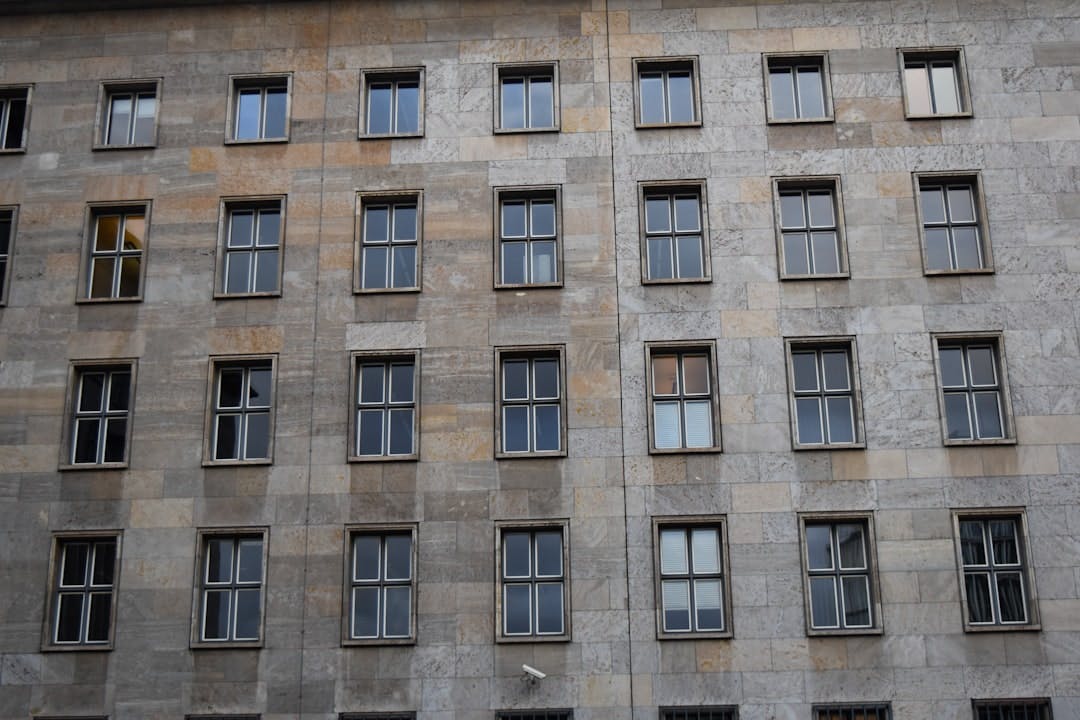
Photo: Ahmed Slimene via Unsplash.
Finding a rental apartment in Berlin can be daunting due to scams and high demand. Watch out for red flags like unusually low Kaltmiete (cold rent), landlords requesting money before viewing, and incomplete Mietvertrag (rental contract). Ensure a safe rental by visiting the apartment, verifying documents, and understanding costs. Use tools like Waitly to streamline your search.
Introduction
Navigating the Berlin rental market can feel overwhelming, especially when you're unfamiliar with the process. With high demand and numerous potential pitfalls, finding the right apartment requires vigilance and knowledge. As you embark on this journey, it's essential to know what to avoid to ensure a smooth and safe rental experience. This guide will walk you through common red flags and provide practical tips to help you rent a secure and comfortable apartment in Berlin, the vibrant capital of Germany.
What are red flags to watch out for when renting?
Be wary of listings with unusually low Kaltmiete, requests for upfront payments before viewing, and incomplete Mietvertrag. These are common red flags in Berlin's rental market. Always verify the landlord's credentials and inspect the property in person to avoid scams.
Berlin's rental market is competitive, and scammers often prey on desperate apartment seekers. A suspiciously low Kaltmiete is usually too good to be true. Similarly, requests for deposits or rent before you've even seen the apartment should raise concerns. An incomplete or vague Mietvertrag can lead to misunderstandings or hidden costs later. Always verify the landlord's identity, and if possible, use trusted platforms like Waitly to find listings.
How do I make sure I am not getting scammed on a rental?
To avoid scams, inspect the apartment in person and verify the landlord's identity. Be cautious of deals that seem too good to be true. Use reliable platforms and consult resources like allaboutberlin.com to ensure safe rental practices.
Scammers in Berlin often target those new to the city or unfamiliar with rental procedures. By physically visiting the apartment, you can confirm its existence and condition. Be wary of landlords who push for virtual tours only. Additionally, ensure that the landlord provides legitimate documentation and that all terms are clear in the Mietvertrag. Familiarize yourself with local rental practices through guides like All About Berlin's guide to housing scams to protect yourself.
What salary is needed to live comfortably in Berlin?
To live comfortably in Berlin, a monthly net income of around €2,500 to €3,000 is recommended. This covers average rent, living expenses, and leisure activities. However, individual needs and lifestyle choices can affect this amount.
Berlin is known for its relatively affordable living costs compared to other European capitals. However, with rising rents, ensuring a comfortable life requires a balanced budget. On average, Kaltmiete for a one-bedroom apartment ranges from €800 to €1,200. Additional costs like Nebenkosten (utilities) and transportation should be considered. For personalized budgeting tips, explore housinganywhere.com.
Where to avoid staying in Berlin?
Avoid areas known for high crime rates or poor transport links. Neighborhoods like parts of Neukölln and Wedding may have affordable rents but can present challenges. Research each area's reputation and amenities before committing.
Berlin is a city of diverse neighborhoods, each with unique vibes and challenges. While some areas offer affordable rents, they may lack essential amenities or safety. Ensure you research thoroughly and visit potential areas during different times of the day. Platforms like handpickedberlin.com can offer insight into neighborhood dynamics.
How to find cheap apartments in Berlin?
To find affordable housing, consider neighborhoods outside the city center and explore housing cooperatives (Genossenschaften). Utilize platforms like Waitly for a comprehensive search and insights into rental trends.
Berlin's outer districts often offer more budget-friendly options without sacrificing quality of life. Joining a Genossenschaft can also provide long-term rental stability and potential savings. Utilize tools like the Waitly blog to explore different neighborhoods and gain insights on rental pricing.
Conclusion
Renting in Berlin requires careful planning and awareness of potential pitfalls. By understanding red flags, verifying identities, and budgeting appropriately, you can secure a safe and comfortable living space. Leverage trusted resources like Waitly to navigate this complex market with confidence. Ready to find your ideal Berlin apartment? Start your search today and join the waiting list for exclusive rental opportunities.
Frequently Asked Questions
What documents do I need to rent in Berlin?
You'll need a SCHUFA (credit report), proof of income, Mietvertrag, and Selbstauskunft (tenant self-disclosure). These documents verify your financial stability and rental history.
How competitive is the Berlin rental market?
Berlin's rental market is highly competitive due to high demand and limited supply. It's common to attend Massenbesichtigung (group viewings) and face competition from many other applicants.
Are short-term rentals allowed in Berlin?
Short-term rentals are heavily regulated. Platforms like Airbnb face restrictions, so consider longer-term rentals or check resources like crocodilian.de for legal options.
Can I negotiate rent in Berlin?
Negotiating rent is uncommon but possible in some cases, especially if the apartment has been on the market for a while. Be respectful and prepared to justify your offer.
What is the Mietpreisbremse?
Mietpreisbremse is Berlin's rent control law, limiting rent increases on new leases to prevent excessive hikes. Familiarize yourself with these regulations to ensure fair pricing.